The former bus station, over 60 years old, was deteriorating, suffered water ingress, and no longer met the needs of a modern transport hub. It occupied a large city centre site, required full redevelopment, and the ground beneath was heavily contaminated with hydrocarbons and heavy metals, necessitating remediation before work could proceed.
The project also required a significant archaeological investigation, where Roman remains and features were uncovered, carefully recorded, mapped and reburied without delaying the programme. At the same time, parts of the existing bus station had to remain operational during construction, requiring major logistical planning, route changes, and extensive community communication. ‑centre site, required full redevelopment, and the ground beneath was heavily contaminated with hydrocarbons and heavy metals, necessitating remediation before work could proceed.
The project also required a significant archaeological investigation, where Roman remains and features were uncovered, carefully recorded, mapped and reburied without delaying the programme. At the same time, parts of the existing bus station had to remain operational during construction, requiring major logistical planning, route changes, and extensive community communication.
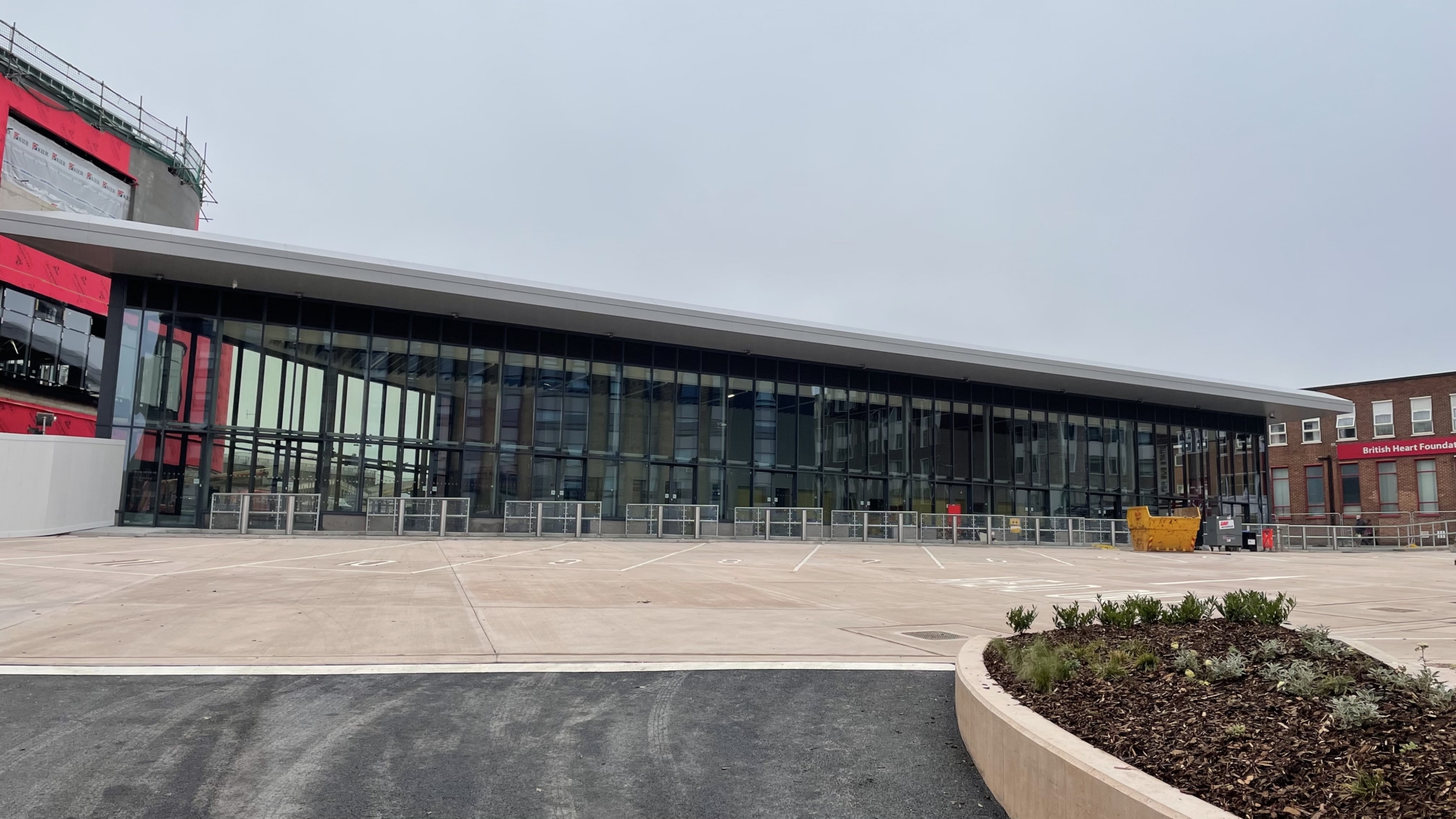
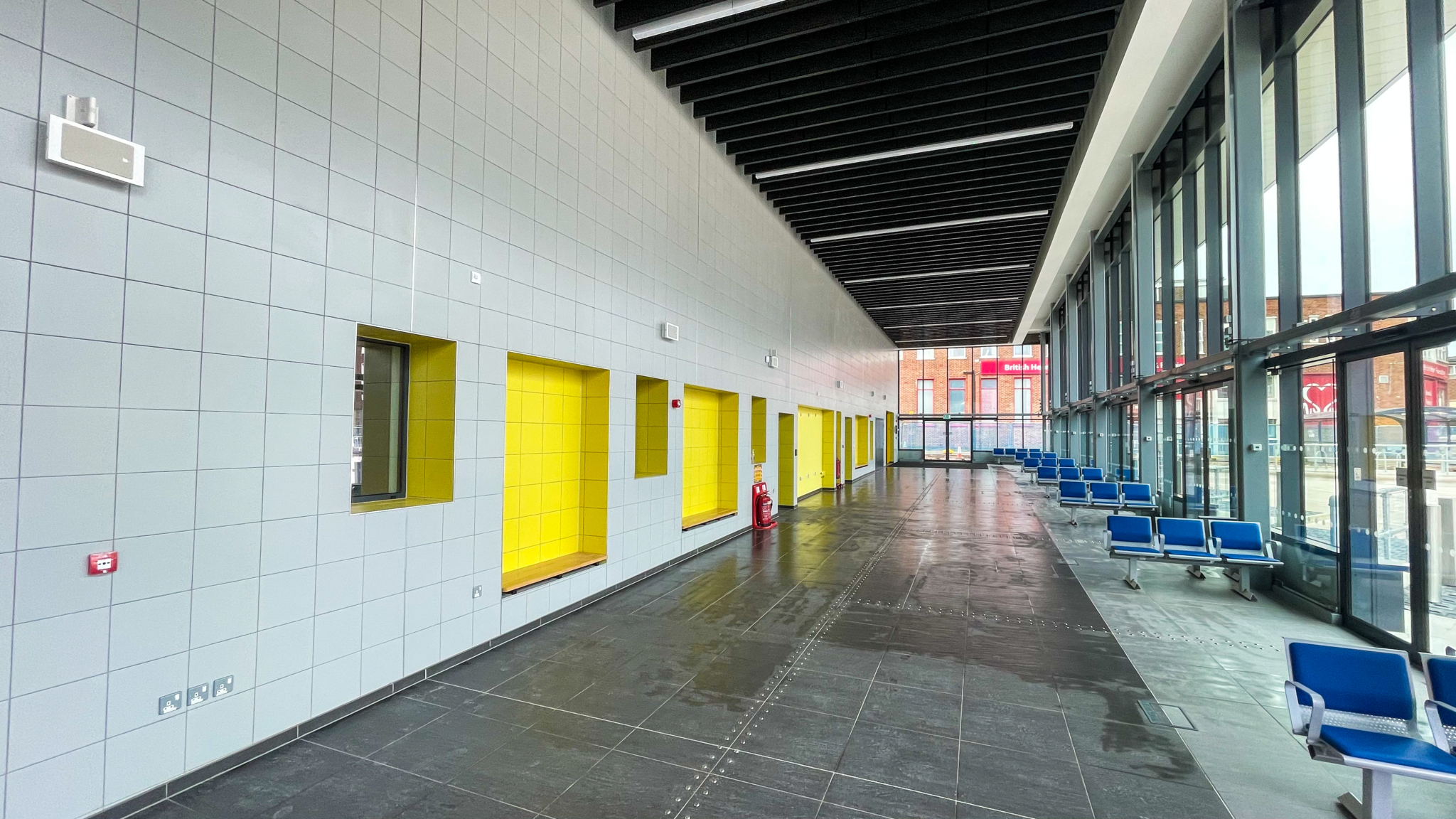
Kier delivered the project under a design and build contract, progressing an existing Stage 3 design into a coordinated Stage 4 solution with Arup and Space & Place. The new bus station was constructed on piled foundations with a steel frame, standing seam roof and full height glazed concourse frontage that provides a modern, welcoming arrival experience. Accessibility was deeply embedded into the design, with full level access, automated doors, wayfinding colour schemes developed with local RNIB groups, and an enclosed passenger concourse featuring ticketing, refreshment facilities, real time information displays, and staff welfare spaces.
Contaminated ground was treated through a bentonite wall and bund system prior to excavation, while archaeological works were completed using GPR scanning and carefully planned trenching.
Throughout the build, Kier maintained partial operation of the existing bus station and shared site logistics with the neighbouring St Sidwell’s Point Leisure Centre.‑seam roof and full‑height glazed concourse frontage that provides a modern, welcoming arrival experience. Accessibility was deeply embedded into the design, with full level access, automated doors, wayfinding colour schemes developed with local RNIB groups, and an enclosed passenger concourse featuring ticketing, refreshment facilities, real‑time information displays, and staff welfare spaces. Contaminated ground was treated through a bentonite wall and bund system prior to excavation, while archaeological works were completed using GPR scanning and carefully planned trenching.
The completed Exeter Bus Station provides 12 modern bus stands, an enclosed, fully accessible concourse, improved public facilities, and better staff accommodation.
The station now acts as a high‑quality gateway to the city, supporting green transport and aligning with Exeter’s long‑term City Point regeneration plan, unlocking land for up to 500 new homes and further development.
The project achieved BREEAM Very Good with excellent environmental performance, created 83 construction jobs, delivered 27 work placements, 464 waged training weeks, and ensured 69% of the supply chain came from the Devon/Somerset area.
Community disruption was kept extremely low, with the bus complaints hotline “hardly ever ringing” thanks to clear communication throughout. The project successfully navigated through the pandemic, with all external service connections carried out without traffic congestion.
Exeter Bus Station was designed with sustainability in mind, achieving BREEAM ‘Very Good’ and an ‘Excellent’ score for energy‑related measures, which reflects a considerate, long‑term approach to performance.
On this long‑used city‑centre plot, the team carefully remediated the brownfield ground—installing a bentonite cut‑off wall and bund, then safely removing hydrocarbon and heavy‑metal contamination—so the site could be enjoyed safely for years to come.
Durable, low‑maintenance finishes were chosen to help the building age gracefully and reduce whole‑life impacts.
The new hub also makes better use of land by bringing operations onto a smaller, more efficient footprint, supporting the wider City Point regeneration in a gentle, joined‑up way.
With 12 modern bus stands and a comfortable enclosed concourse, it encourages everyday journeys by public transport, helping nudge travel habits toward lower‑carbon choices.
Accessibility was shaped with local partners, including the RNIB, so features like level access, automated doors and supportive wayfinding colours make greener travel welcoming and easy for everyone.
The project also took care to respect Exeter’s heritage, using ground‑penetrating radar and carefully planned trenching to record and protect Roman remains discovered on site.
And during construction, sharing site facilities with the neighbouring St Sidwell’s Point project reduced duplication and made thoughtful use of resources.
Exeter Bus Station leaves a clear, long‑term legacy for the city: during construction it created apprentice opportunities for nine people, delivered 464 waged training weeks and 27 work placements, and even supported a 45‑week virtual T‑Level programme with Exeter College—building local skills and career pathways that outlast the project itself.
The completed hub is fully accessible and was shaped with local partners such as the RNIB, providing level access throughout, automated doors and intuitive wayfinding colours, so everyday journeys are easier and safer for all users.
By consolidating an outdated facility onto a smaller, more effective footprint, the scheme also helps unlock the wider CityPoint regeneration—freeing up land for up to 500 homes and new mixed uses—while boosting the local economy through 83 construction jobs and a supply chain that drew 69% of its partners from Devon/Somerset.
Live‑site logistics and stakeholder planning kept passengers segregated during construction; ground contamination was contained and removed; archaeology and services were managed with GPR and controlled trenching; the finished hub uses automated stand doors and inclusive layouts for safe flows; passive fire protection was delivered by certified specialists; and, post‑opening, 24/7 CCTV integration enhances on‑site security.
Delivered under JCT D&B 2016 with SCF’s Handover & Aftercare commitments, the team provided structured training, searchable O&M manuals, early post‑handover on‑site support, an online defects portal and a dedicated defects manager through the Rectification Period; operationally, the Council and Stagecoach have since enhanced safety with 24/7 city‑linked CCTV monitoring.
69% of the supply chain came from the Devon/Somerset area and accessibility was co‑designed with RNIB and bus user groups—level access throughout, automated doors, and wayfinding colour schemes to ensure equitable use for all passengers. The project ran with extensive stakeholder engagement (bus & coach operators), kept parts of the old station live, and maintained clear public communications—the bus complaints hotline “hardly ever rang.

InterCity Place
Scroll to top