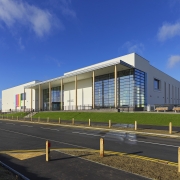

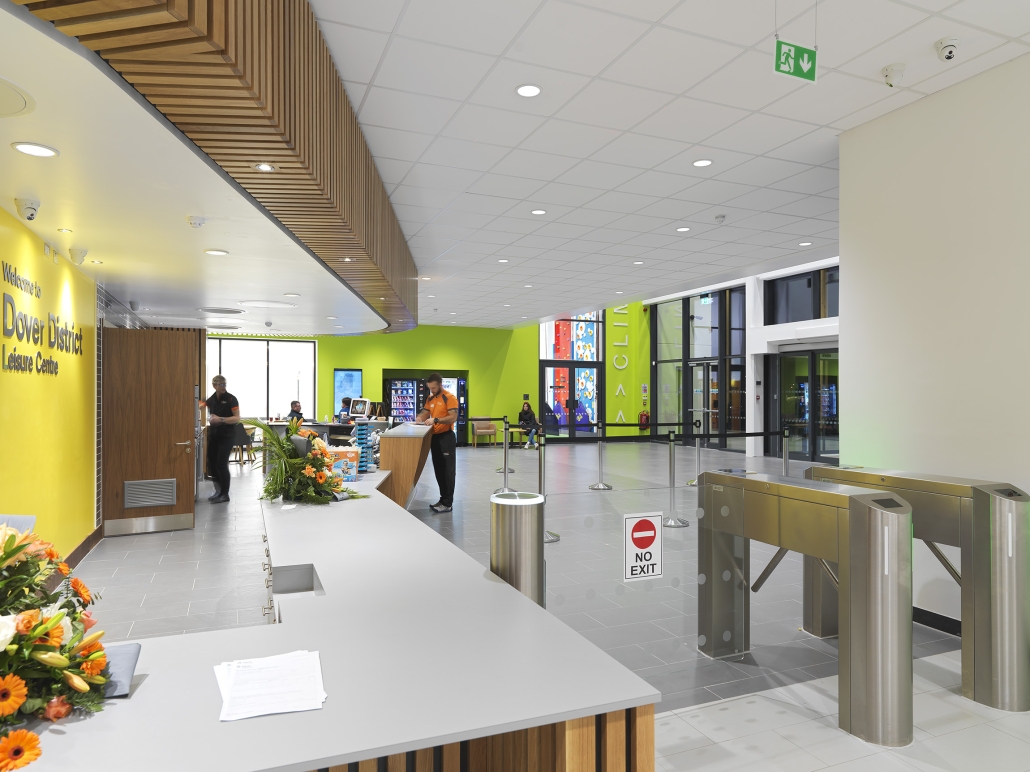
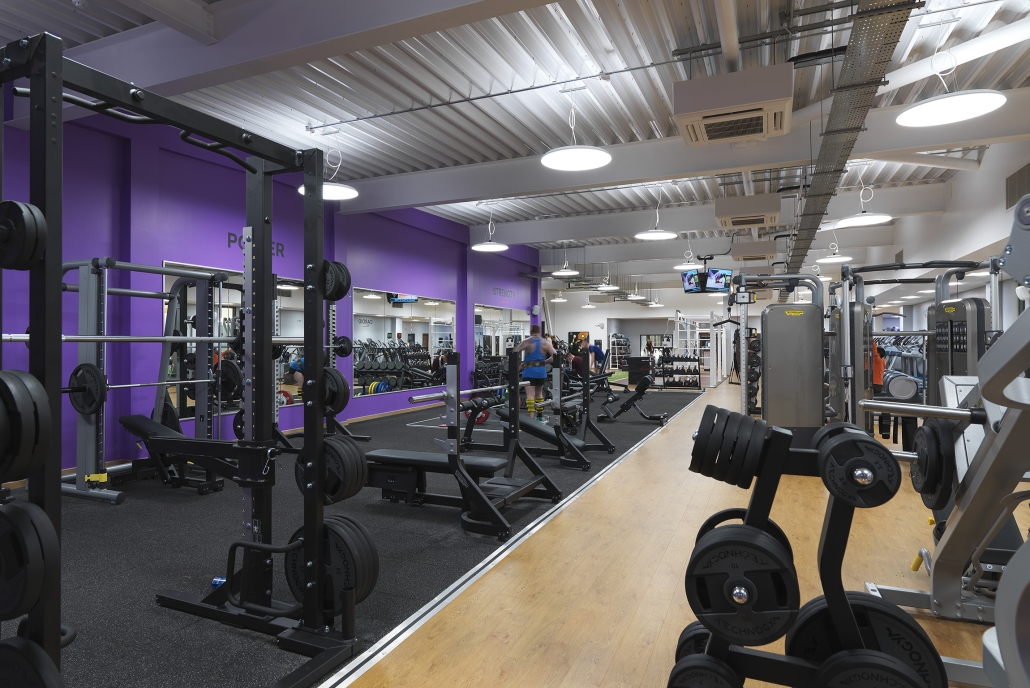
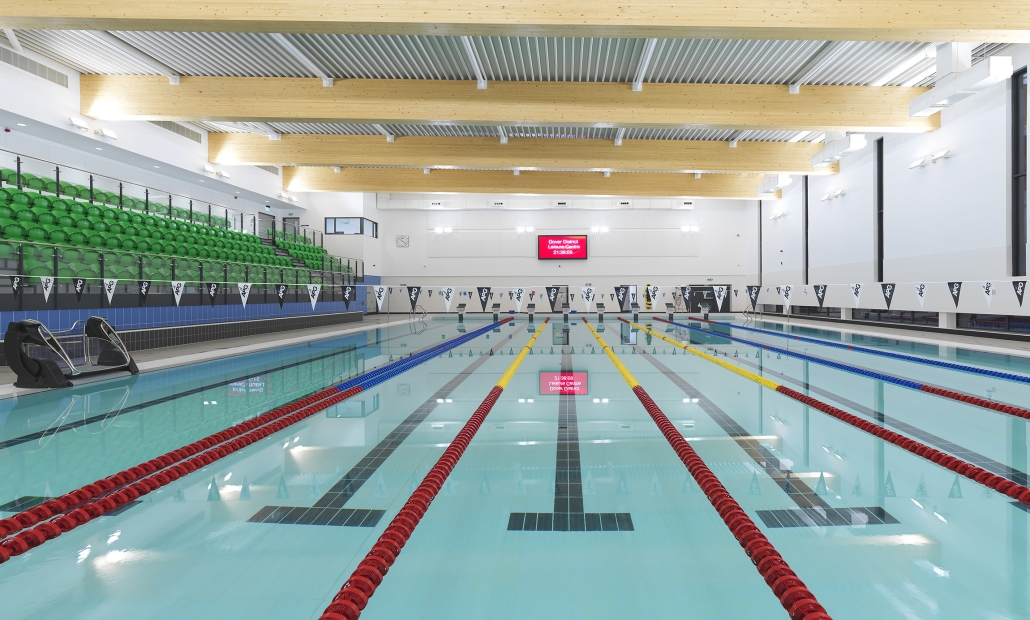
BAM Construction built a new leisure centre which includes swimming pools, sports hall, squash courts and a gym. The new leisure centre has been designed to meet the latest Sport England facilities requirements, including access for people with a wide range of disabilities.
Key Features:
Site Conditions: Due to the quality of soil and level differences, more than 12,000m3 of topsoil and material needed to be removed from site to form the level base and pits for the pool and squash courts.
Budget: Challenging budget requiring innovative cost effective design solutions.
Site Conditions: BAM established a link with a local waste centre just 3.3 miles away. The material was removed from site and delivered to the centre as capping material, on return, these lorries delivered recycled aggregates for use on site. To reduce disruption to local communities, BAM used precast piles instead of traditional continuous flight auger piling. Traditional piling would have needed an additional 80 lorry movements for the concrete deliveries and soil removal. Using the alternative BAM reduced this to just 16 deliveries keeping our impact on the community to a minimum.
Budget: Redesign led to the omission of the basement and the relocation of the substation saved significant cost and 4 weeks on programme. Fortnightly design and cost review meetings were held and early engagement with BAM on the MEP package meant that we could optimise the ventilation design, changing it to cross-ventilation. As well as saving over £100k, combining this solution with CO2 sensors and control units throughout the building, enabled the management team to create a better and fresher indoor environment for the user.
The Dover leisure project team (led by Dover District Council) developed into a strong and organised group working towards the common goal – the opening of the leisure centre – on time, to budget and the right quality.
The building represents a major investment in the health and well-being of the district that is fit for the 21st century that sets new standards in facilities, access, and sustainability. The new leisure centre is accessible to all, providing easy access to the swimming pools, and wheelchair accessible gym and changing facilities.
Fully transparent cost management built trust and confidence early on. BAM were instrumental in delivering £1.4m of added value benefits during the design development process.

Payment periods not exceeding 30 days

Zero RIDDORs

SCF Charter

60% local labour / £6.4m social value delivered
20 local school and college visits; 14 weeks of work placements provided; 21 advanced H&S qualifications
36 qualifications were achieved by those working on this project.
Created more than £250,000 worth of value in local skills and employment

The Centre is the most energy efficient leisure centre in Kent with a Grade A energy certificate rating. The new building uses a gas combined heat and power (CHP) plant which produces electricity and hot water for the site.
70 solar panels producing 27.22 MWh of electricity since opening and saving 69,567.15kg of CO2 emissions.
The local branch of Community Wood Recycling was engaged to transfer waste timber from site.
Email: james.wright@hants.gov.uk
Phone: : 07761 330560
Email: dbirch@bam.com
Phone: 07920 134843

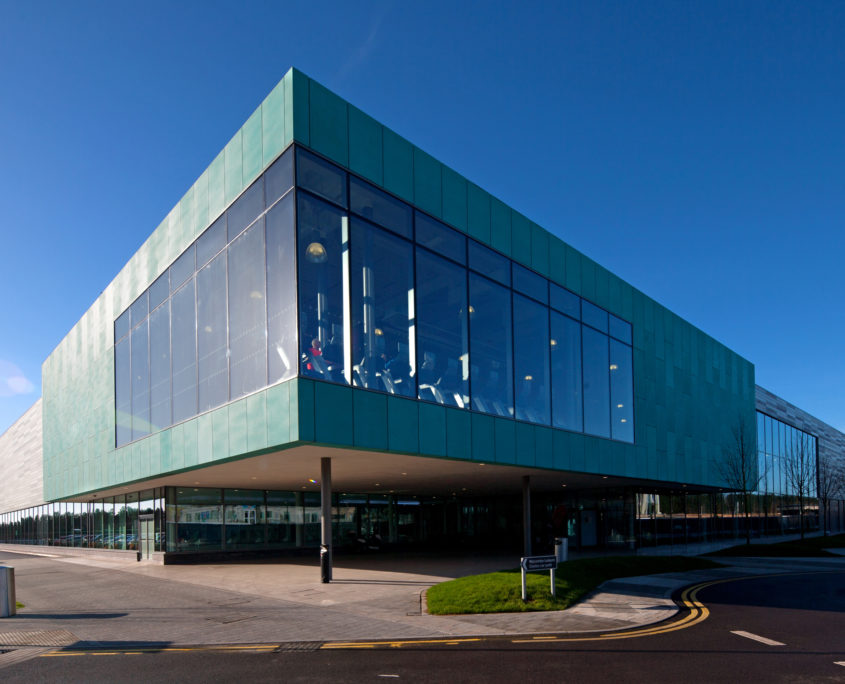
In 2009, Buckinghamshire Council adopted a sports facility strategy that recommended the support of a new stadium and sports hub, along with the development of a new sports centre for High Wycombe, replacing a facility that had served the local community for four decades. Over the years the centre expanded, and many hundreds and thousands of people used it.
One of the issues with the existing gym was that there wasn’t much room to fit many people in, which would make them feel cramped and was limiting membership growth.
The existing leisure centre continued to operate throughout this project which meant the new one had to be delivered without impacting the operations. There were access difficulties at the original leisure centre’s existing car park and to reduce the loss of parking capacity at the existing site, works accelerated on the car park which helped release 100 spaces four months early.
In order to make the project a success, it was essential that the design and construction teams worked collaboratively, particularly when building the Olympic size swimming pool.
The new design for the gym has been a significant improvement, providing lots of natural light due to the high ceilings and open spaces which also creates more room for people to exercise in.
Since opening the centre in 2016 opened there has been a real sense of excitement in the local area. The 10,750m2 rectangular sports centre is one of the biggest sports facilities in the South East
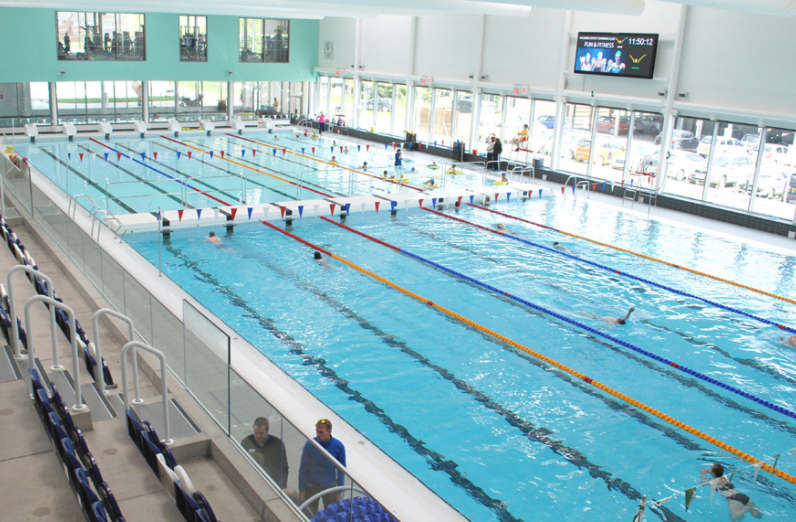
Members and staff can enjoy the exciting new facilities such as a 150 station gym, indoor cycling studio, 50 metre competition pool, 12 badminton court sports hall, steam room and sauna and more. Since opening, the centre doubled its number of memberships from 2000 to 4000.
Regular payments and have payment periods not exceeding 30 days
99% of waste diverted from landfill
42/50 (Bronze award achieved)
360 Training weeks achieved and 11 apprentices
Handover & Aftercare Contractor Promise

Client
Surrey Police
Project Manager
Pick Everard
Architect
Mace Design
Contractor
Mace
Value
£5 million
Project Dates
2013
Procurement Type
2 Stage Fixed Price Lump Sum
Form of Contract
JCT Design and Build 2011
Size
1,600 square metres
Apprentices Employed
2
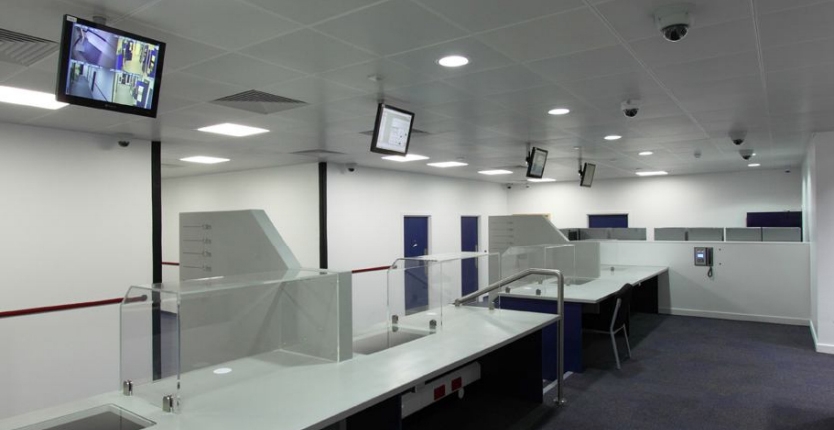
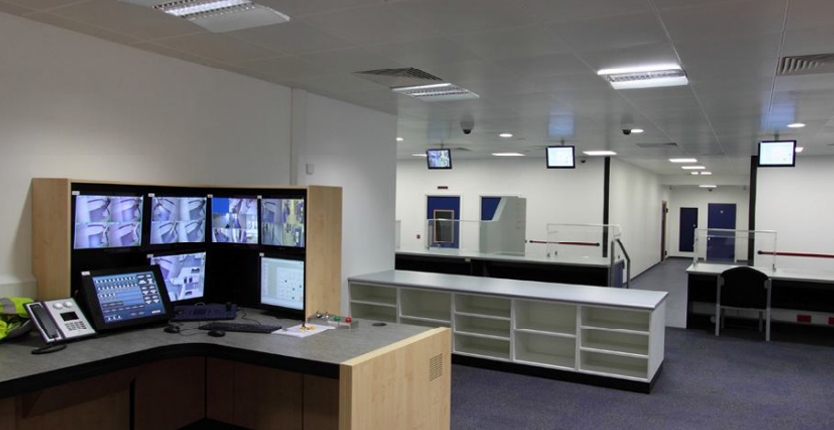
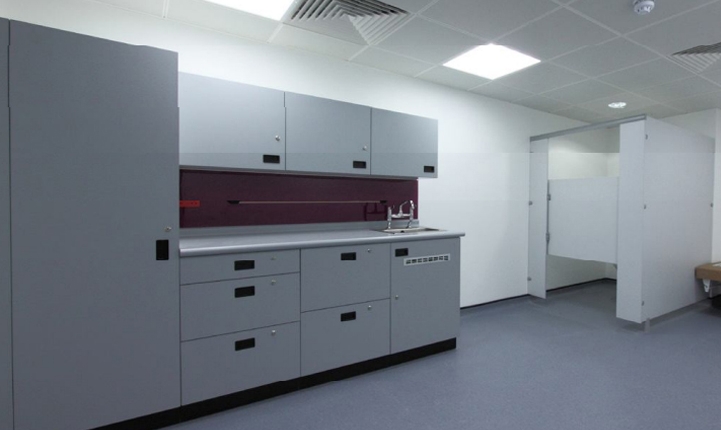
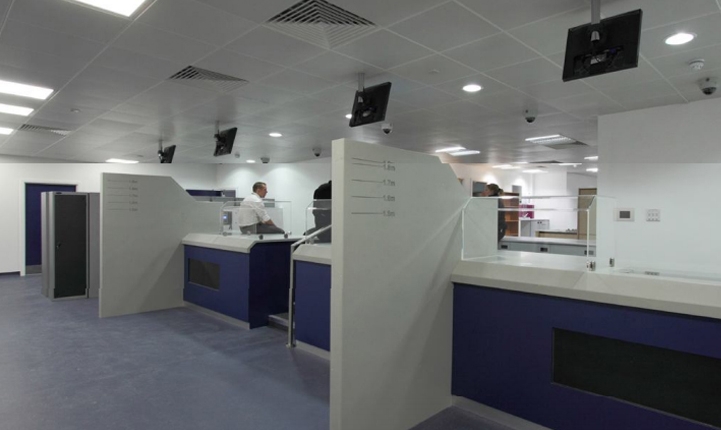
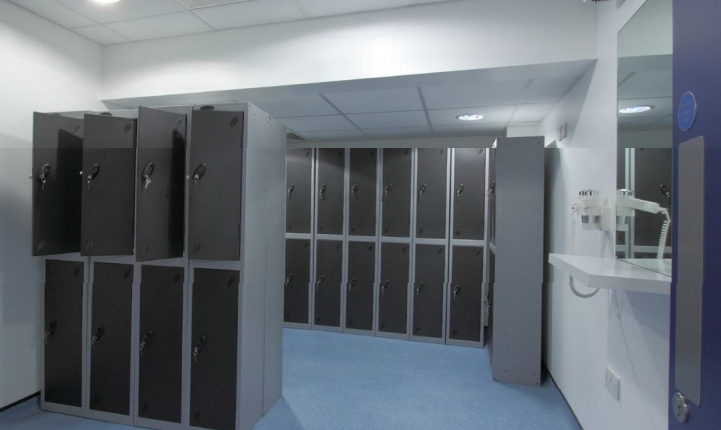
This project provides Surrey Police with a new Custody Centre. The works comprise fit out of an existing Client owned warehouse building into a Police Custody Facility with 24 cells, charge area, vehicle dock, plant rooms, ancillary rooms for staff and solicitors, reception and a locker room with washing areas.
A key part of the building is the provision of the cells for which Mace has developed in conjunction with supplier Wernick a prefabricated solution. Integration of the ICT is also a key element of the project and Mace sought early agreement to enable the client’s installer to commence works with a successful early handover of the TER (Technical Equipment Room).
Fair Payment Charter
The Mace team worked hand in glove with the Pick Everard client team ensuring payments were always made within the agreed timescales.
Sustainable Development Charter
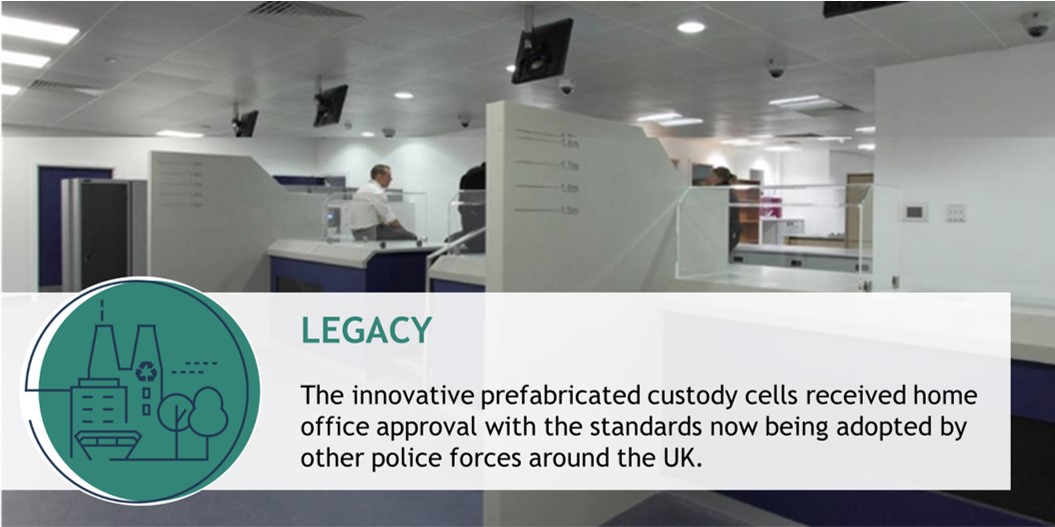
Prefabricated off-site manufactured custody cells reduced not only saved time and cost but also significantly reduced waste to landfill.
Handover & Aftercare Contractor Promise
The project was handed over on time and on budget, with our Mace M&E Manager staying on for 4 weeks after PC to support the building operation.
Health & Safety Charter
The site achieved an exemplary safety record with no accidents during the construction programme.
Community Engagement
Careers Local Community
Key Challenges
Integration of client ICT contractor.
Early engagement and agreement on logistics and programme.
Early order placement and construction of prefabricated cell units.
Delivering the project in line with the client’s budget following an extensive VE exercise, whilst maintaining the operational and robust construction requirements.
Engagement with tried and tested Mace supply chain members.
Using lessons learnt and tried and tested design solutions from previous Met Police Custody Projects.
Excellent working relationship and problem resolution with Clients team.
Delivering the project in a fast track 27 weeks.
Excellent working relationship and problem resolution with Clients team.
Project Takeaways
Our Success
Our Learnings
Value Added
KPI’s & Statistics
| Contract | Gateway 3 Contract Formation | Gateway 4 Final Account | Variation |
| Cost | £5,008,192 | £5,016,196 | 0.16% |
| Time | 27 weeks | 27 weeks | 0% |
Apprentices: 2
Average CCS score: 34/40
Waste diverted from landfill: 99%
Cost per Sqm: c£3135
Contact: Nick Abbey, iESE Framework Director Email: Nick.Abbey@macegroup.com Contact: David Chambers, iESE Framework Manager Email: David.Chambers@macegroup.com Contact: Allan Cowie, Senior PM Pick Everard Email: allancowie@pickeverard.co.uk
Surrey County Council appointed Willmott Dixon to develop a brownfield site which has been pre-let by the South East Coast Ambulance Service. The council wanted the Gatwick Diamond development close to the airport, to become a ‘Blue Light’ centre.
There was a very short preconstruction period to start on site date. This meant that the procurement and early engagement of the supply chain was critical to obtain a robust design, procurement and cost certainty in order to meet the required programme.
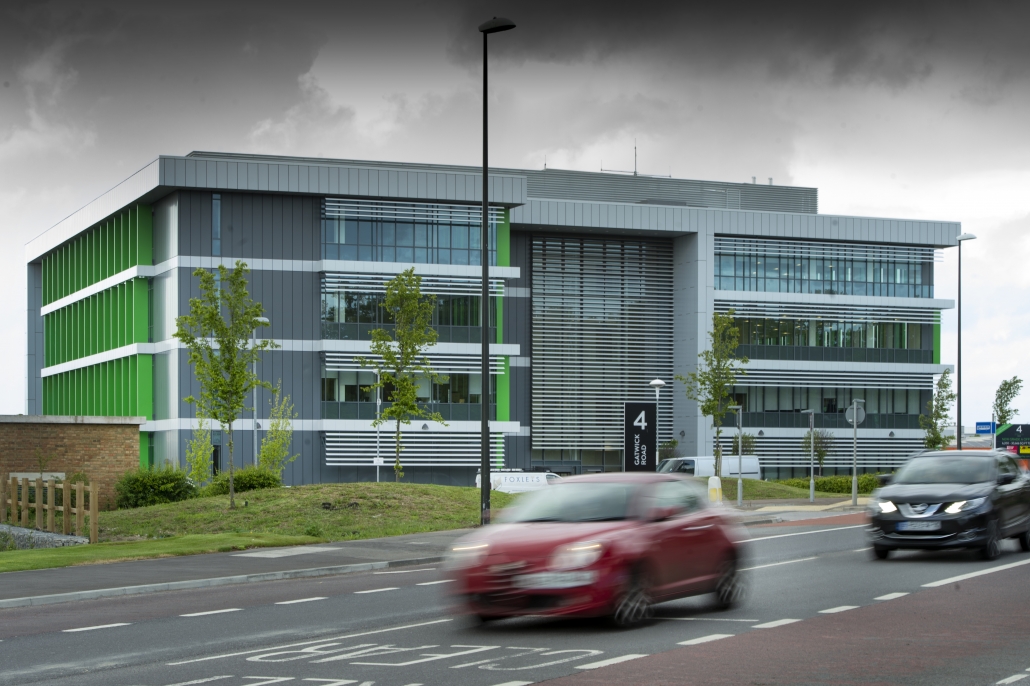
The Gatwick Diamond project is a new single emergency and dispatch and headquarters facility for the South East Coast ambulance service (SECAmb).
The project main works included the construction of a four-storey office development comprising steel frame/curtain walling and rain screen cladding. This phase also included extensive elements of external works and new car parking facilities.
The design and build project created a new headquarters, including an emergency and dispatch facility for the South East Coast Ambulance Service. This allowed the pockets of accommodation occupied by the SECAmp to be released. This will permit a fire station to be constructed which will serve the Burgh Heath area with wider regeneration and reconfiguration opportunities.
Willmott Dixon were also able to engage 23 apprentices throughout the project and deliver school health and safety show talks to a local primary school.
Regular payments and have payment periods not exceeding 30 days
98% of waste diverted from landfill
Zero harm
43/50 CCS Score
Following the success of the Gatwick Diamond office built for Surrey CC, Willmott Dixon teamed up again with the council to deliver two buildings that are vital for the UK’s aviation industry at the Nexus Training and Production Facility

Client
Canterbury College
Project Manager
AECOM
Architect
Archial Architects
Contractor
Morgan Sindall
Project Value
£6.6m
Contract Period
62 weeks including demolition
Procurement Type
2 Stage Design and Build
Form of Contract
JCT 2011
Size (sqm)
3300
BREEAM Rating
Very good
Apprentices Employed
7
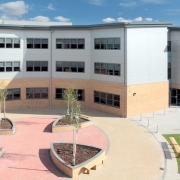
Canterbury College asked for a vibrant heart for their new ‘Block 17’ campus building. Replacing their outdated Herring building, the design introduced an atrium space through the building. Upper floor accommodation is dedicated for training space, independent living and skills.
The ground floor reception area and café is separated from the above to maintain privacy and security, this space also acts as an exhibition and social space for the students. To allow easy access, a pedestrian link connects the adjacent St Nicholas special needs accommodation. The construction standardised the building of other blocks at the college using the same windows, lock suiting and swegon air handling units.
Community Engagement
Learnings Experiences Careers
Key Challenges
Logistics related to a land-locked site within the centre of the campus
Coordination and integration with existing M&E systems
Achieving practical completion to allow the college’s FFE fit-out prior to the term start in September 2013
Delivery of the project within budget
Project Takeaways
Our Success
Our Learnings
Value Added
KPI’s & Statistics
| Contract | Gateway 3 Formation | Gateway 4 Final Account | Variation |
| Cost | £6,601,489 | £6,671,132 | 1.1% |
| Time | 61 | 62 | 1.63% |
Apprentices: 7 no.
Average AIR: 0
Average CCS score: 45/50
Waste diverted from Landfill: 99%
Completion KPIs: 91%
End user KPIs: 90%
Contact: Ray Mcauley
Email: ray.mcauley@morgansindall.com
Client
Surrey County Council
Project Manager
Hampshire County Council
Architect
Hampshire County Council
Contractor
Miller
Value
£4.3m
Contract Period
46.3 weeks (reduced from 53.6 at Gateway 2)
Procurement Type
Develop & Construct (2 Stage Open Book)
Form of Contract
NEC 3
Size
£1344 sqm
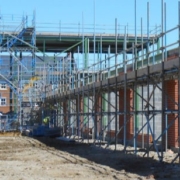
Horley Primary School is one of many schools procured within the Education Basic Needs Programme as part of the Property Services Cluster initiative, which includes ten school projects delivered by Miller Construction for Surrey County Council on Tranche 2 (phase 2 of a larger programme):
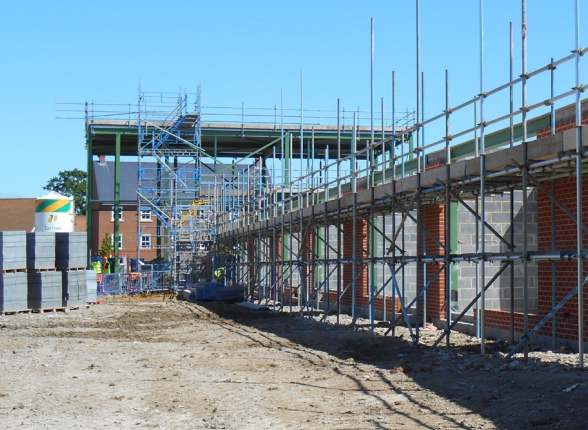
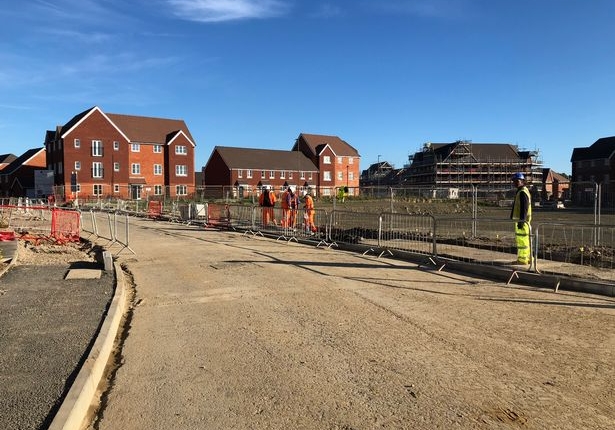
Transfer of knowledge from Tranche 1(a previous phase of the programme), significantly assisted the collaborative 2 stage open book procurement to improve on the procedures and processes.
Having created a Cluster Delivery Team (CDT) with the other contractors on Tranche 1, we were able to utilise the knowledge gained from taking the lead. Design management strategy was to integrate with the client design teams at the earliest opportunity, to identify key stakeholder requirements and maximise opportunity for standardisation and value engineering through our supply chain engagement.
Collaborative Engagement prior to Planning Application.
Meetings with Miller consultants, client and Planning Authority led to alternative positioning and design of building, to secure a timely planning consent whilst also achieving significant cost savings.
Early Engagement with Designers, Sub Contractors and Product supply Chain.
Value engineering sessions with designers and subcontractor led to alternative substructure and ground floor solution to address nature of ground conditions, and simplification of roof levels and Parapet design.
Our Learnings
| Contract | Gateway 2 Formation | Gateway 2 Final Account | Variation |
| Cost | £4.3m | £4.3m | |
| Time | 53.6 weeks | 46.3 weeks | 7.3 weeks |
Contact: Steve Cresswell, Miller Construction
Email: steve.cresswell@miller.co.uk
Client
Hampshire County Council
Project Manager
Hampshire County Council
Architect
Hampshire County Council
Contractor
Morgan Sindall plc
Project Value
£1.3m incl client direct works
Contract Period
24 weeks
Procurement Type
2 Stage
Form of Contract
JCT 2011 ICD
Size (sqm)
3,276
Apprentices Employed
2
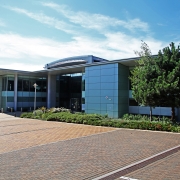
The fit out of an open-plan speculative office building to suit the needs of Hampshire County Council. The refurbishment included partitioning, flooring, new kitchenettes and associated mechanical and electrical and IT cabling works.
Community Engagement
Careers
Key Challenges
Partial occupation of the building for the duration of the works
Challenging acoustic requirements for new office spaces created.
Adapting the existing M&E services to suit the new requirements.
Avoiding noise or disturbance to existing occupants of the building.
Ambitious completion date to accommodate users from another building on which the lease was expiring.
Project Takeaways
Our Success
Our Learnings
Value Added
KPI’s & Statistics
| Contract | Gateway 3 | Gateway 4 | Variation |
| Cost | £1,127,776 | £1,177,185 | 4.4% * |
| Time | 24 weeks | 20.6 weeks | -3.4 weeks (-14%) |
* increase due to additional maintenance works and inclusion of new carpets in lieu of existing Apprentices :2
Average AIR: 0
Waste diverted from Landfill: 99.5%
Completion KPIs: 91%
End user KPIs: 92%
Contact: Ray McAuley, Morgan Sindall
Email: ray.mcauley@morgansindall.com

Project Details
Contacts:
Wilmott Dixon
Danny Corley
danny.corley@willmottdixon.co.uk
London Borough of Newman
John Cochrane
john.cochrane@newham.gov.uk
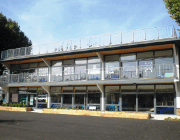
Redevelopment and Construction of a part new build /part refurbishment of two junior schools and separate nursery for the London Borough of Newham to form two new primary schools: Including part demolition of the existing schools. The existing schools were kept in operation throughout.
The Dersingham Primary School (DPS) project delivered a new Key Stage 2 Building, new nursery and kitchen extension, with refurbishment of the existing 1950’s and key stage 1 buildings. The new KS2 building is situated on the school playground space with access provisions, and remodelling of classrooms and a new reception. The buildings are formed from a cross laminated timber structure on a suspended concrete slab and provide 12 new class rooms, new hall and associated WC’S and offices. The building fabric is formed of Velfac glazing, facing brickwork and insulated render. The roof creates a 750m2 playground with an EPDM rubber crumb finish, which also houses the roof lights to act as the ‘chimney’ to the passive ventilation system. The existing building was extensively remodelled and required considerable structural alterations including demolition of a concrete stair and associated core.
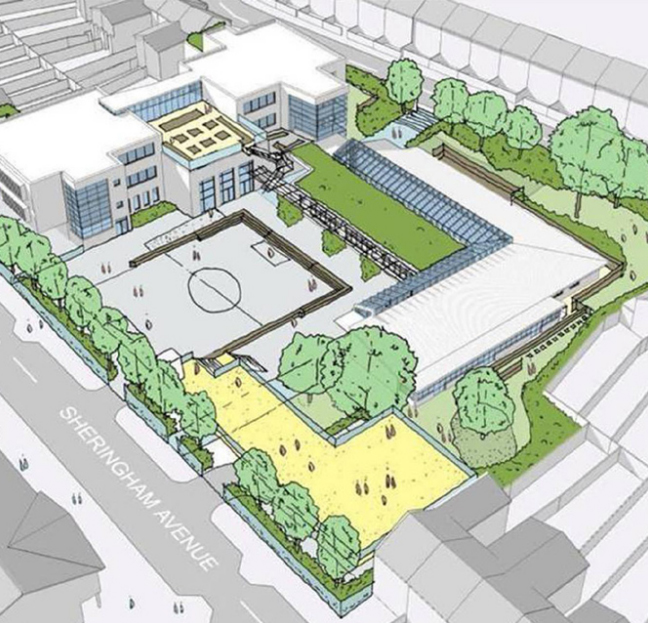
The Sheringham Primary School (SPS) included elements of demolition. New buildings included new classroom block, raised play deck and other new classrooms. Existing classrooms and the reception area were remodelled and extended with provision for new kitchen and toilet facilities.
Live school sites to be kept in operation throughout build
Challenging logistics due to very tight sites within residential area
Very nervous client due to the volume of work required
Tree protection and issues accessing the site
| Contract | Gateway 3 | Gateway 4 | Variation |
| Cost | DPS – £7,293,896 SPS – £7,902,102 | DPS – £7,293,896 SPS – £7,902,102 | 0% |
| Time | DPS – 61 weeks SPS –77 weeks | DPS – 61 weeks SPS – 86 weeks | 0% 6.5% |
KPI Graphs
Apprentices 6 no.
Average AIR 0 target
Average CCS score 40
Waste diverted from landfill 80%
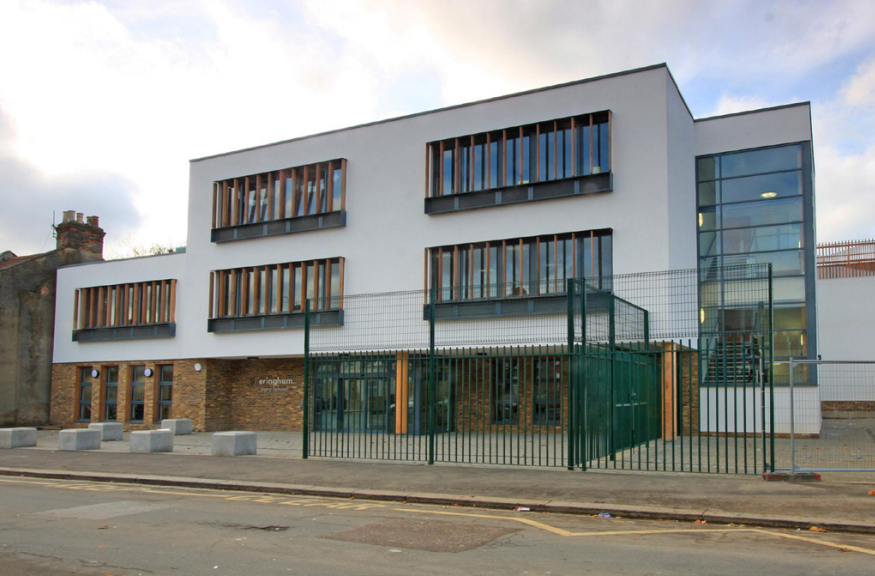
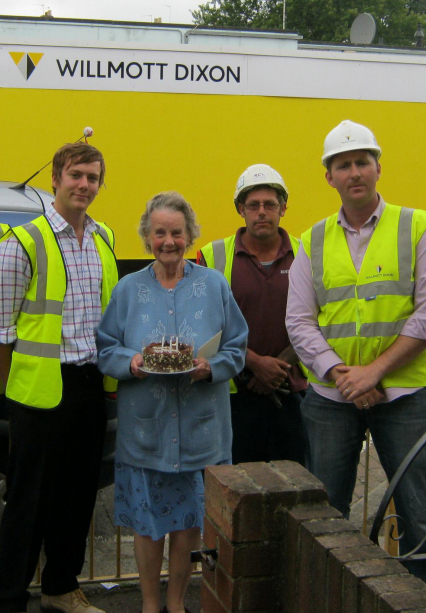
“Our new KS2 building and nursery has been built around us while we have continued to operate as a school. Our school site is very small and this at times was problematic as we became a building site and the buildings took shape. However, Willmotts were very conscious of the fact that we are a school and ensured that health and safety was their first priority, keeping our children, parents and staff very safe and we were able to keep the doors open and be a school. The weekly team meetings were great and kept everyone up to speed with what was happening. Plus they were always at the end of a phone. The children enjoyed their weekly visits to the new buildings during construction and watched the building grow and take shape.”
Jo Beazer
Headteacher
Dersingham Primary School