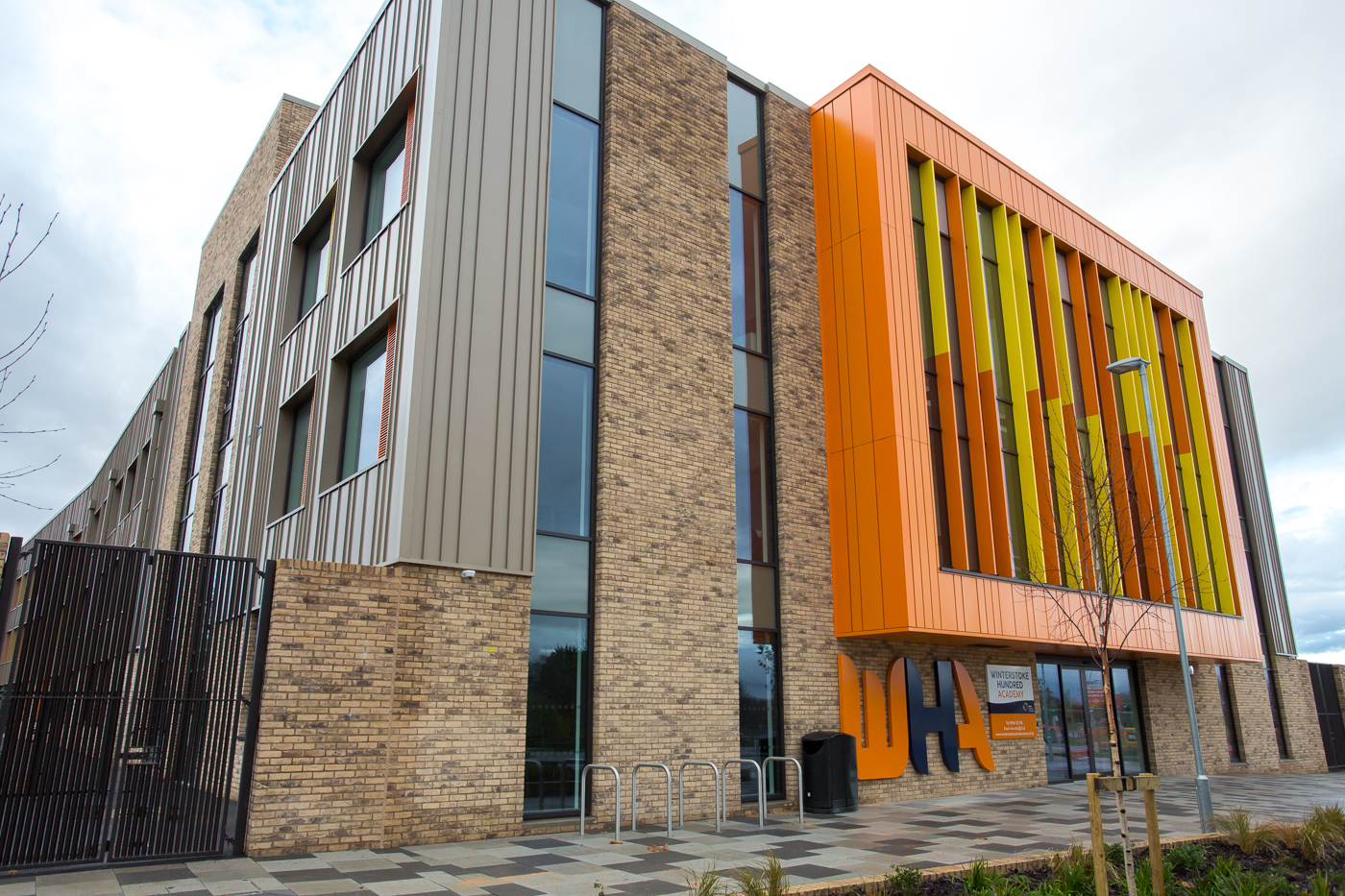
The Winterstoke Hundred Academy project needed to meet a rapidly increasing demand for secondary school places in North Somerset.
The scheme required delivering a new 900‑place secondary school (expandable to 1,200 pupils) across a large, multi‑hectare site while meeting high environmental performance standards including Net Zero Carbon, BREEAM Excellent and a 10% biodiversity net gain.
It also required integrating sports facilities, community‑focused spaces and on‑site energy generation, all while coordinating with Homes England funding requirements and the existing Academy’s expansion strategy.
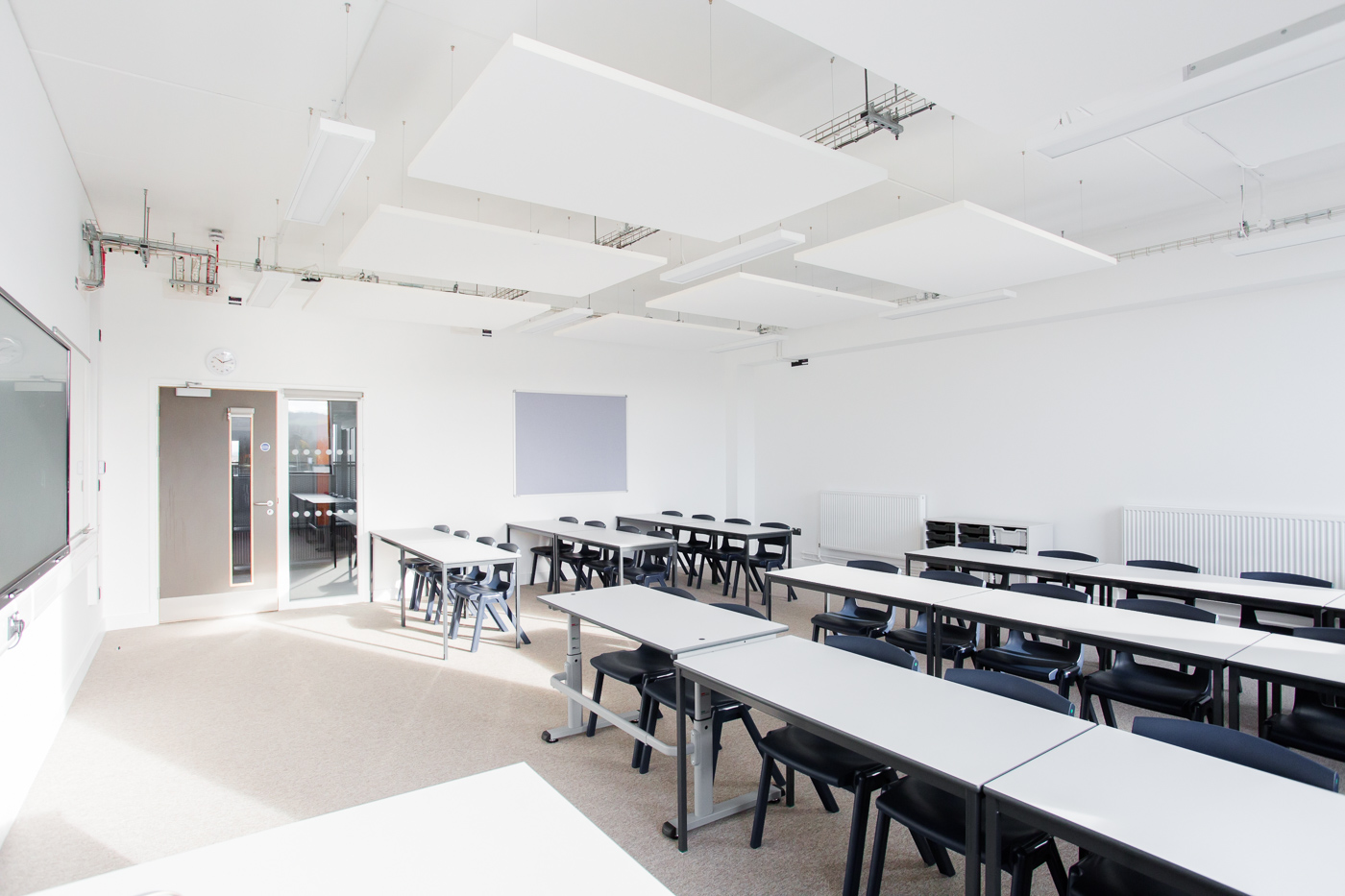
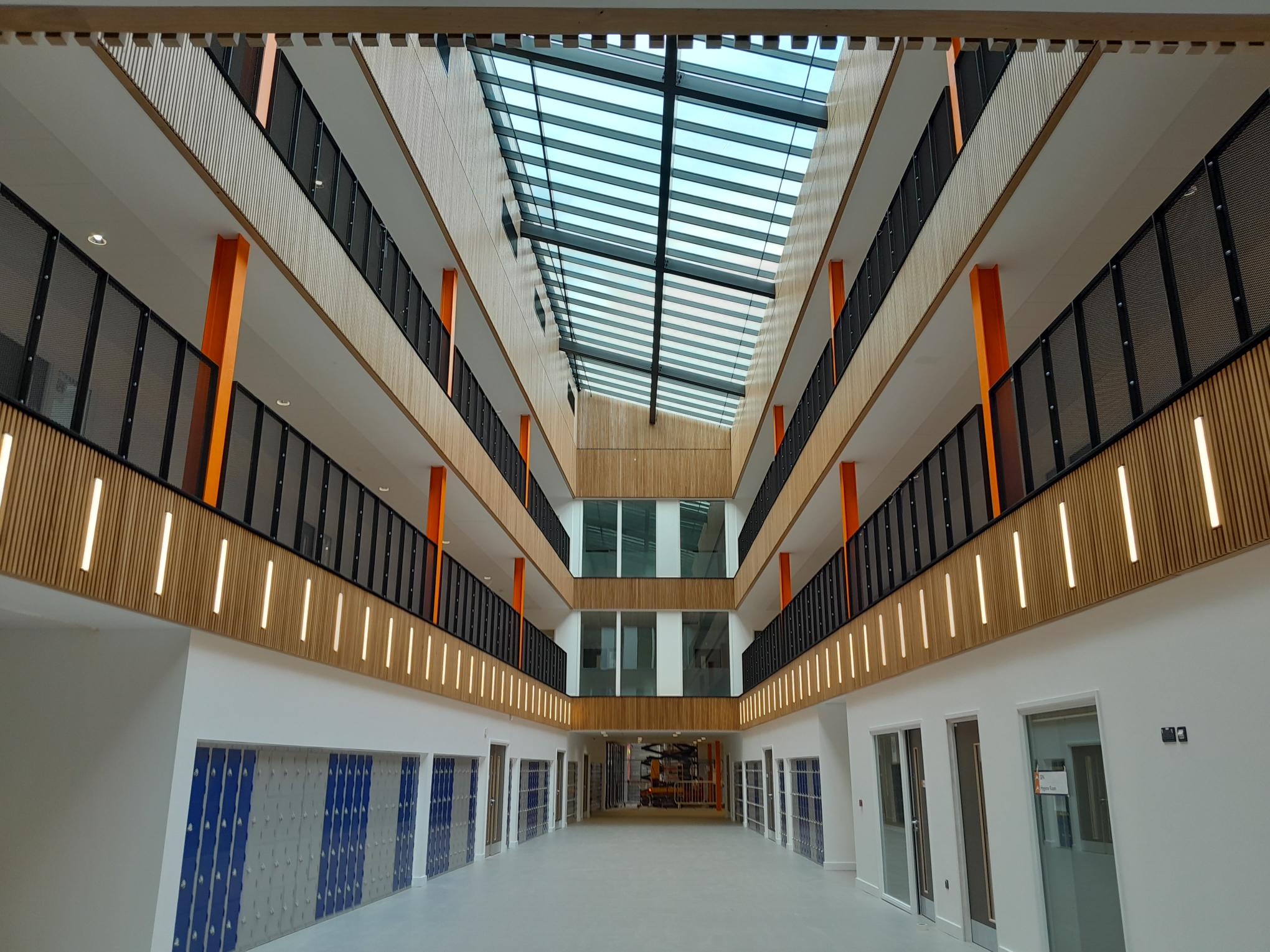
The design team created a future‑proofed secondary school across two sites, incorporating a main school building, sports hall, Sustainability Lab, all‑weather pitches, parking, and extensive outdoor learning spaces.
The school was designed using standardised, low‑carbon solutions aligned with Net Zero Carbon in Operation requirements. Community legacy was embedded through the Sustainability Lab, offering training, skills development, and local business support.
Kier worked collaboratively with North Somerset Council and the Cabot Learning Federation, enabling the project to progress from concept to site start within months.
The project successfully delivered a £30m+ Net Zero Carbon secondary school providing 900 new pupil places with capacity for future expansion. The completed school achieves BREEAM Excellent, 10% biodiversity net gain and includes low‑carbon energy systems, sustainable transport infrastructure and significant community facilities.
The scheme met the client’s tight programme expectations and has created a modern, sustainable, and community‑focused education environment for North Somerset
Biodiversity Net gain 30%
There is a large array of photovoltaic panels on the main building roof, which contribute towards achieving Net Zero Carbon in Operation
BREEAM ‘Excellent’
EPC rating
1,871 meters cubed of waste diverted from landfill.
NSC have declared a climate emergency and have policies aligned with this.
As such it was imperative that this building minimised impact on the climate through both construction and operation as far as was practical with budget and programme constraints.
Within this context the architects decided to focus on the delivery of a building which is net-zero carbon in operation which has been achieved.
376 waged training weeks on site
39 Qualifications gained
29 work placements
22 new jobs
45 hours volunteering 20 career and guidance events
This collaborative approach to passive fire protection was encouraged throughout the project, starting with upskilling the team.
Toolbox talks on the topic of the Building Safety Act and the importance of quality design, install and recording of fire protection was led by the Design Manager through the project.

University College London – Bloomsbury Theatre
Scroll to top