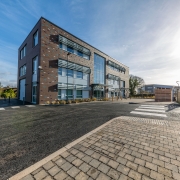

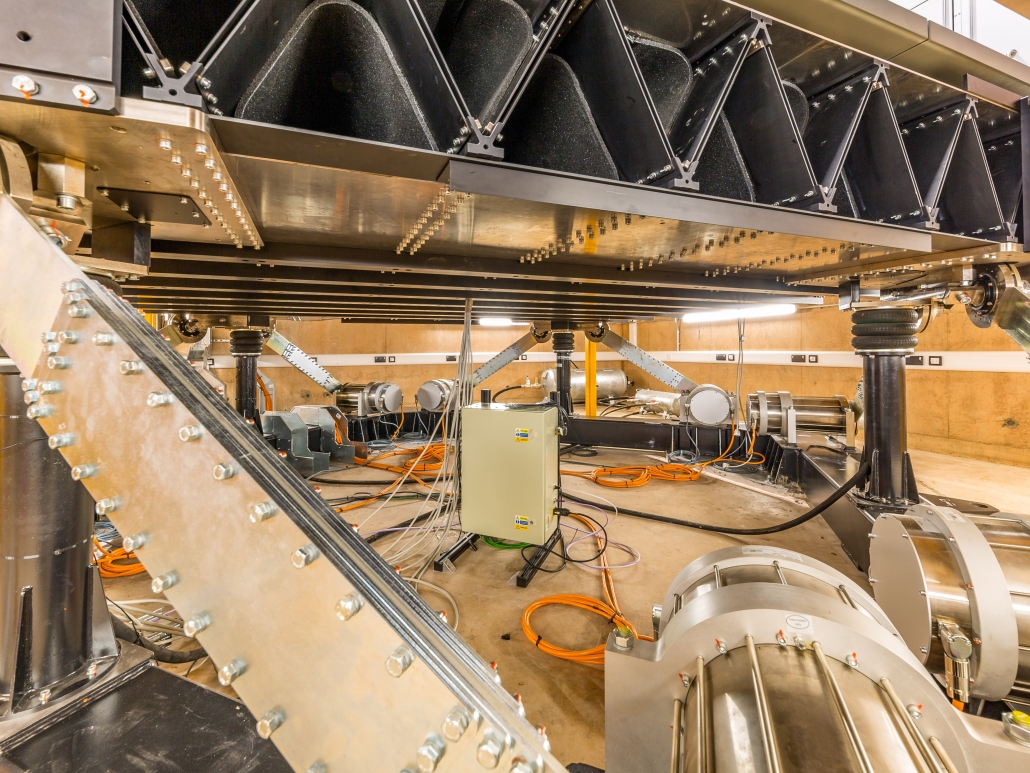
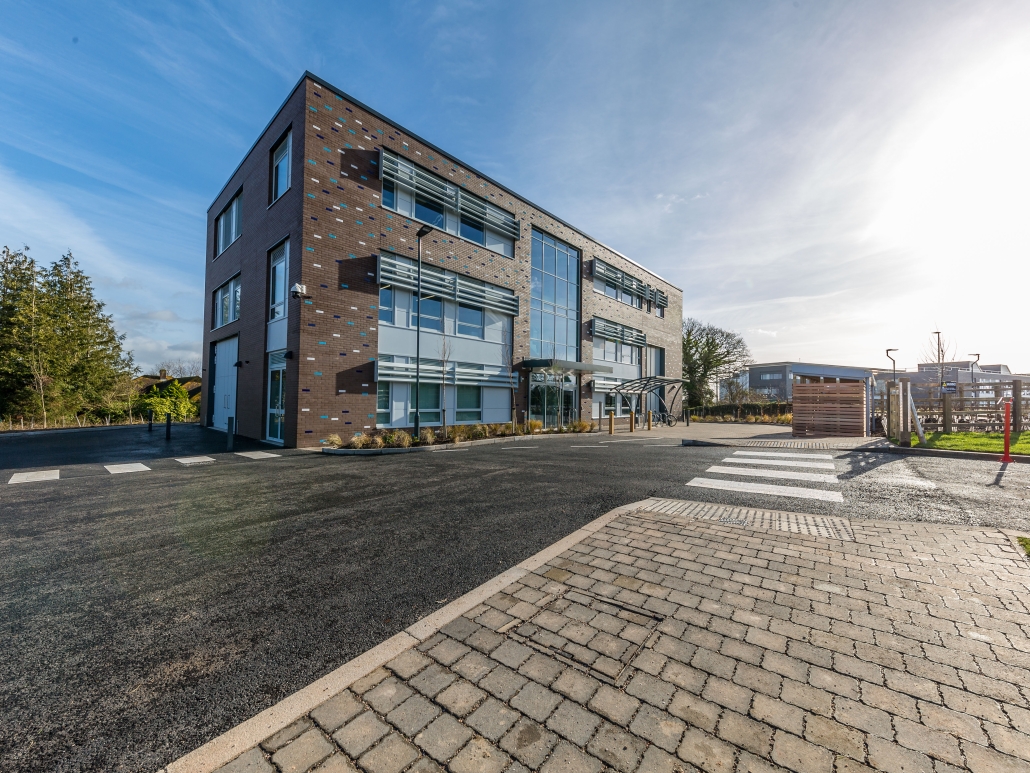
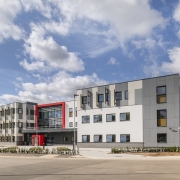
A bespoke ‘BREEAM Excellent’, 3-storey engineering and research building, housing the world-leading VSimulator facility, providing specialist engineering facilities and open-plan, flexible workspace. The facility will play a major role in spearheading Exeter Science Park’s aspirations and reputation for research and innovation, stimulating a knowledge-based economy, delivering jobs, higher productivity and economic growth.
Providing unique simulation capabilities far beyond anything available worldwide, the VSimulator facility will be used by academics and industry to support multi-disciplinary research factors. Helping to address critical issues of human engagement with the surrounding environment, it will present research, commercial and training opportunities within an endless range of disciplines.
Imperative to the successful project outcome, the Virtual Simulation Chamber had to be handed over to the specialist engineers on time to commence installation of the state-of-the-art motion platform and other equipment. Additionally, the basement concrete floor had to be within a 2mm-tolerance level and strict water-proofing specifications had to be achieved prior to the VSimulator installation. Further adding to the challenge were complex logistics and mechanical and electrical installations, and the involvement of multiple, including global, specialist installers.
Through sectional completion (in October 2019), we handed over the basement to the University for fitting-out of the simulator, whilst the remaining works continued. We worked closely with the University throughout the fit-out works, ensuring this was undertaken safely while the remaining works took place concurrently.
During early design collaboration, we were able to offer our experience with basement construction to align buildable-construction details with specialist tanking manufactured products. It was at this early stage when a significant change in tanking membrane manufacturers occurred and, with the help of our supply chain family, we were able to provide a quick solution to the benefit of the client.
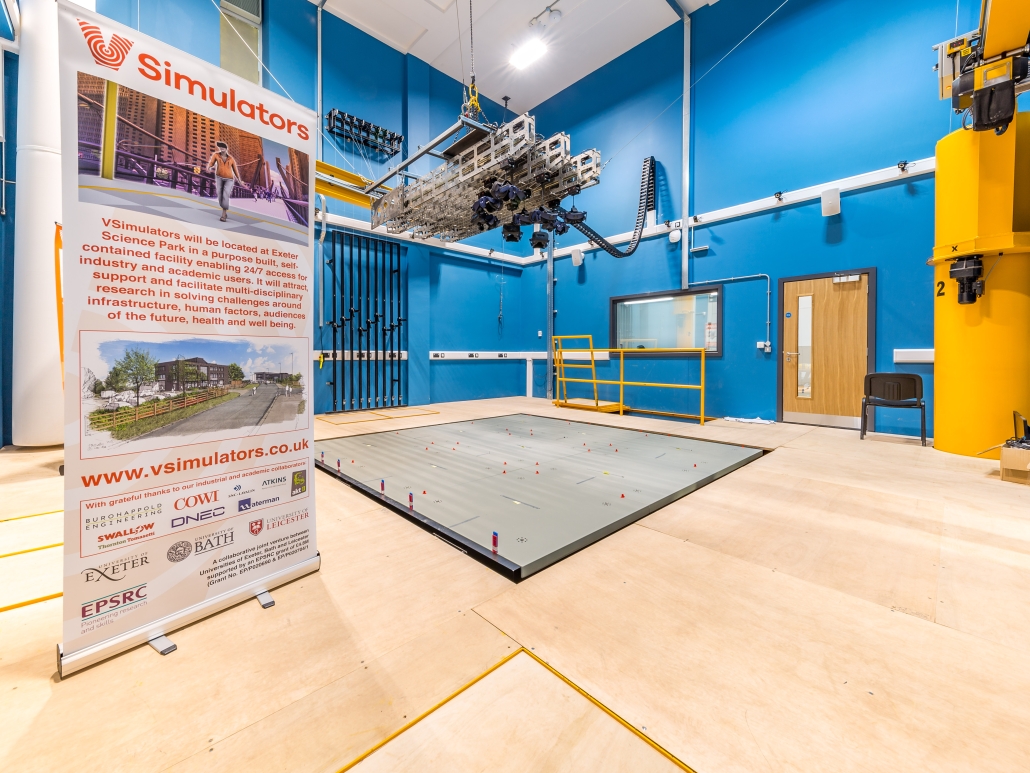
Communication was critical to ensuring we kept to programme, and we successfully managed the co-ordination of overseas meetings, held virtually, regarding set-up, installation and delivery of equipment for the motion platform.
Drawing upon the expertise and skills of the project team, the challenging project objectives were all achieved, to the delight of the client.

100% payment within 30 days terms

BREEAM Excellent
99% waste diverted from landfill
100% timber responsibly sourced

Zero RIDDORs
CCS Score 43/45

38 No of SMEs & 10 beneficiaries
4 jobs created, 49 trainee weeks & 28 students engaged
£200 donations to charity & 39 volunteer hours
88% social value created

Soft landings for handover
Dedicated Morgan Sindall point of contact
On-line portal for notifying any defects with 3 priority categories for response times
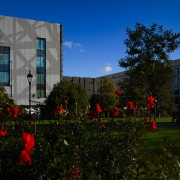
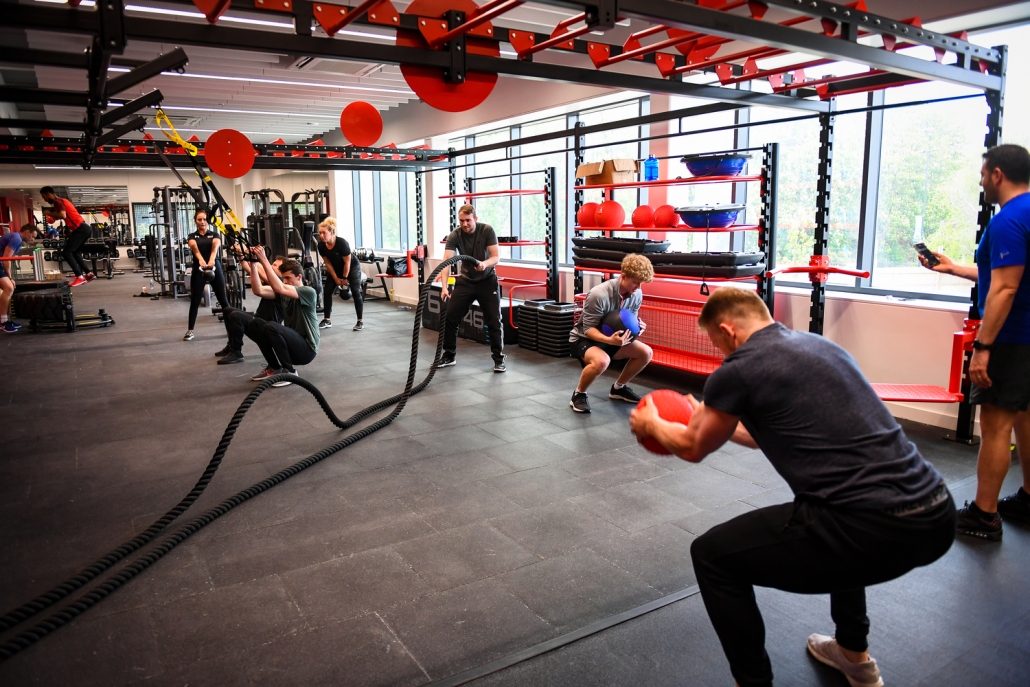
A new build four-storey steel frame building which includes two sports halls, three fitness studios, a health and well-being gym, a strength and conditioning high-performance gym and high-quality teaching facilities on a live university campus. The scheme also includes underground car parking.
The ambitious vision for the University was to create a new sports facility to improve and modernise the University’s offering and enable excellence in sport, health and fitness related degree programmes and associated teaching and research for staff, students and the local community.
The seminar and gym areas of the sports complex are fitted with 20mm soft joints between the room floor slabs. These help to isolate them and significantly reduce the vibration that passes through them. In the weight training area, they went a step further and introduced a cast in-situ reinforced concrete sprung floor. This innovation means that the sports hall can be enjoyed by everyone, no matter what activity they are involved in.
The iconic cladding system to the tower block represents the former use of the site with historical maps – a subtle presence in the perforation in the cladding system next to the standout face brickwork wrapping the sports halls. The building has provided a head turning modern build in Southampton’s old city centre.
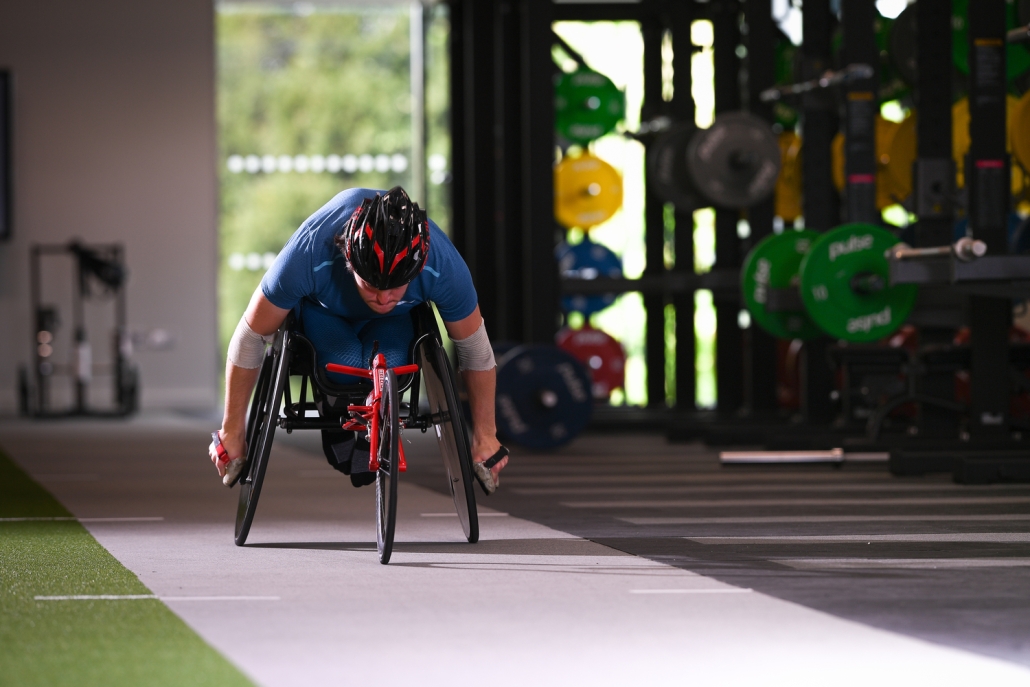
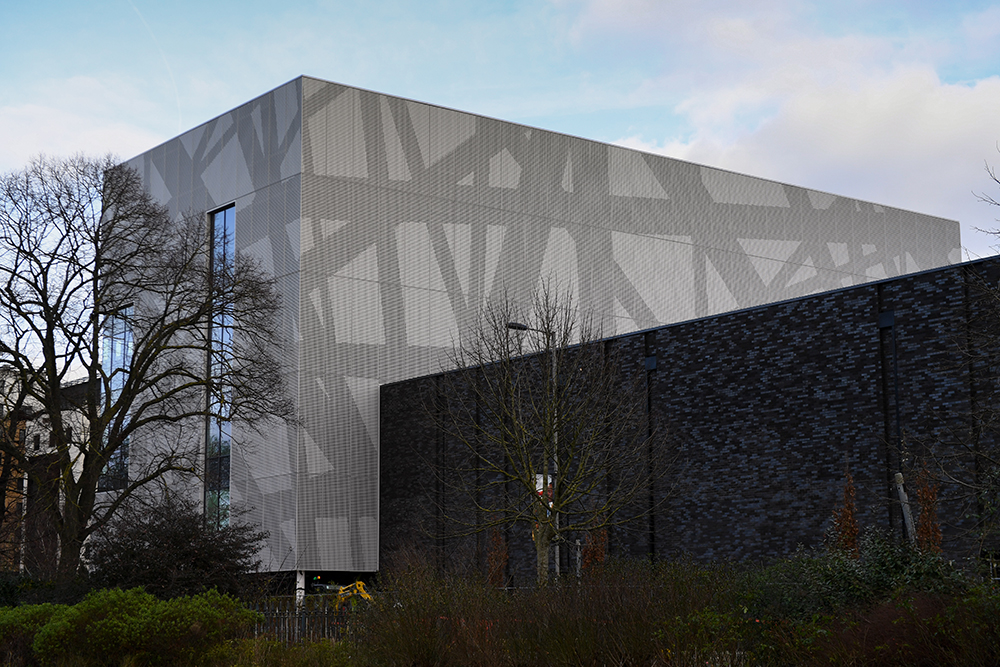
The city centre project was constructed within a 86 week programme, delivering a four-storey sports complex with state-of-the-art gyms for both student and staff use. Along the stacked tower block of gyms and studios, the project had two full sized sports halls; one for multi-use catering for over 13 different sports, the other was dedicated to basketball, allowing Student Kestrels, the university’s leading sports team, a home court. Below the sports halls, basement parking was provided for staff, students and the public as well as accessible parking bays.
The project is a visually stunning, flagship sports facility which is enhancing Solent University’s offering in advanced sports degree courses, and it is already attracting more students to the local area and inspiring people to take part in sport.
100% payment within 30 days terms
99% waste diverted from landfill
100% timber responsibly sourced
Zero RIDDORs
CCS Score 44/45
36 No of SMEs & 59 beneficiaries
18 jobs created, 184 trainee weeks and 577 students engaged
£3,046 donations to charity & 1,845 volunteer hours
Soft landings for handover
Dedicated Morgan Sindall point of contact
On-line portal for notifying any defects with
3 priority categories for response times

Client
Somerset County Council
Contractor
Morgan Sindall
Value
£736k
Contract Period
32 weeks
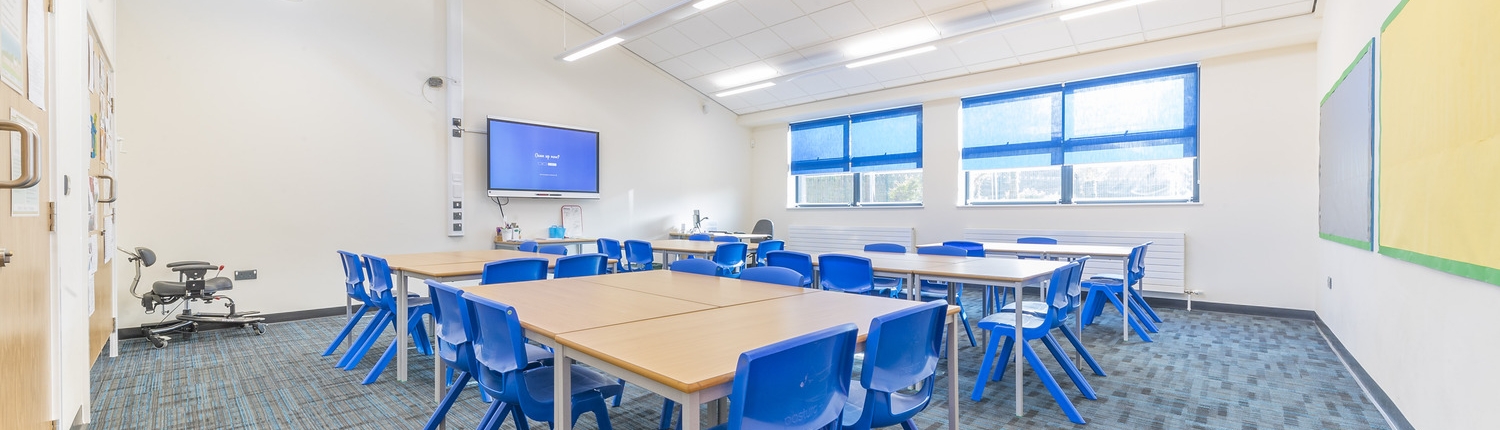
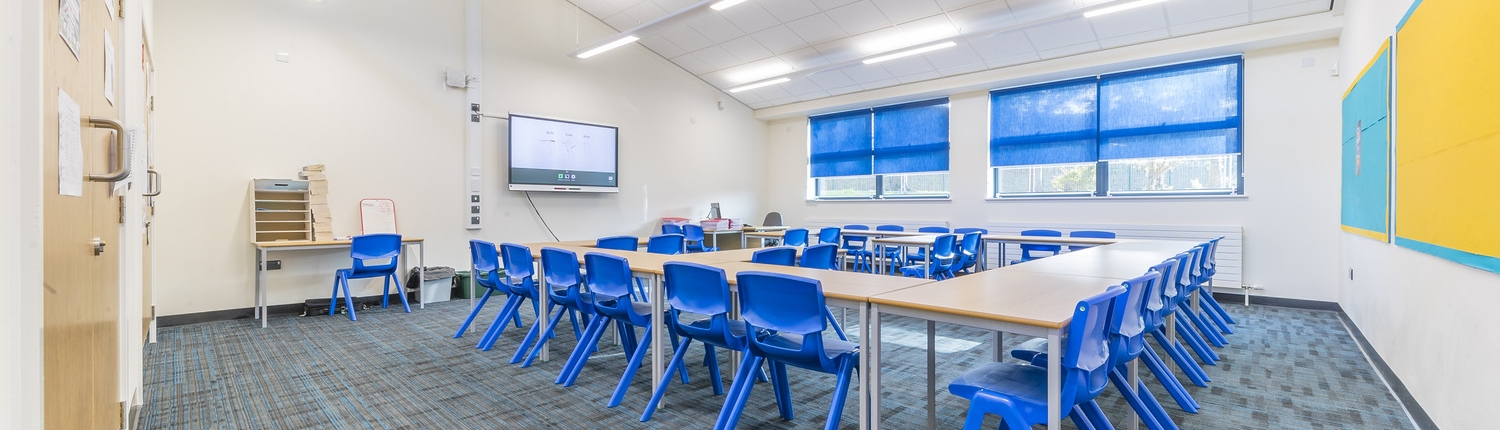
Expansion of the existing primary school with the addition of three new classrooms using the ‘Class Space’ standard design. The classroom extension included toilets and was situated on the old basketball court, north of the school’s sports hall.
The client wanted the classrooms to be flexible for potential future use and expansion. Therefore, the internal dividing walls were stud work and the school’s preferred option of radiators were used instead of underfloor heating. The position and orientation of the building on the basketball court area were carefully designed so the school could construct another block adjacent to this one in the future. Other considerations included design items, such as mains cable sizes.
The extension was constructed of steel frame, blockwork rendered externally, with a profiled metal roofing system.

Fair Payment Charter
Sustainable Development Charter
Health & Safety Charter
Legacy Charter
Handover & Aftercare Contractor Promise
Community Engagement
Careers Opportunities
Key Challenges
Maintaining the school’s curriculum while working in a live school environment
Ensuring business continued as normal while coordinating deliveries
Ensuring the design allowed for future use and expansion
Project Takeaways
Our Success
Our Learnings
Value Added
KPI’s & Statistics
| Contract | Gateway 2 Planning | Gateway 3 Contract Agreement | Variation |
| Cost | £2,462k | £2,417k | -1/8% |
| Time | 32 weeks | 32 weeks | 0 |
Contact: Alan Smedley, Framework Manager
Email: alan.smedley@morgansindall.com
Client
Reading Borough Council
Project Manager
Hampshire County Council
Architect
Broadway Malyan
Contractor
Morgan Sindall (overbury)
Value
£3.6m
Contract Period
26 weeks
Procurement Type
Design & Build
Form of Contract
JCT D&B
Size
1,308 m2 GIFA
Trainees
5
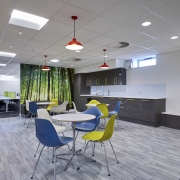
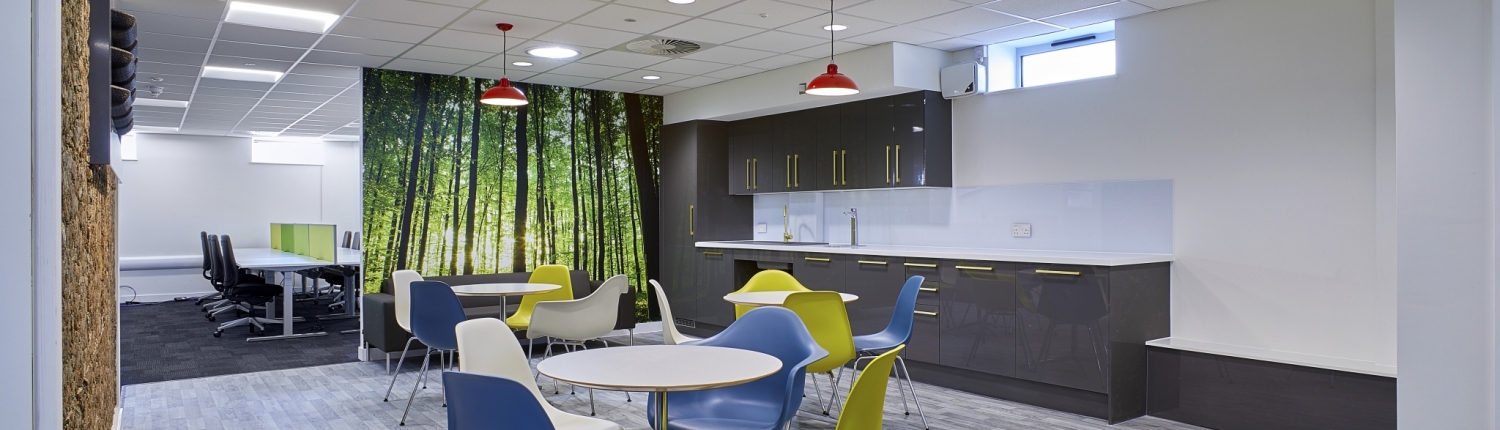
Overbury successfully delivered a full Cat B fit out over two floors and a mezzanine area for repeat client, Reading Borough Council (RBC). Procured through the SCF Framework, the newly modernised office space will house the Council’s Parks, Highways and Housing departments. The works also included the creation of a storage facility for the museums and modern records division.
Works to the office space included the creation of a breakout area on the ground floor, new toilets, refurbishment of the showers, new tea points, installation of a new lift and redecoration throughout. Structural beams were moved and adapted to ensure that the lift could be appropriately supported. A new structural steel beam was installed under the mezzanine to support the new storage equipment that would be installed on this floor. New roller racking storage and close control air conditioning units and dehumidifiers were fitted in the document and artefact storage areas.
The security of the building was increased with specialist steel doors and updated security systems.
The building is located in the middle of a busy depot which was in constant use throughout the project. Logistics had to be carefully planned; and effective traffic and parking management was key. Maintaining a strong relationship with the client ensured successful and efficient use of a challenging site.
Throughout the project we had apprentices and trainees working on site; directly for Overbury and for our subcontractors.
Key Challenges
Tight Programme to achieve Critical Path
The tight programme for the roller racking area presented a key challenge for the project. We had to ensure that this portion of works started as early as possible to meet the critical path. The programme was designed to progress these areas to mitigate the risk of not meeting the handover with the roller racking in place.
To ensure the smooth operation of the roller racking, the floor levels could only have a 5mm tolerance throughout the whole span of the warehouse. After the final stage of demolition was completed in the racking areas, we re-screeded the entire warehouse. This ensured the 5mm tolerance was met throughout the span which resulted in the perfect running of the racking system.
Plant Room Decommissioning
From the validation phases of the project it became apparent that there was an old mains electrical panel in a plant room in the centre of the building that was still live, this was due to be demolished to be used for racking areas. Requests to the electrical board were made immediately for them to disconnect and remove, however there was still to be a delay for these works. To ensure that this did not delay the overall programme we progressed with all other surrounding works, whilst keeping this plant room out of bounds to mitigate any health and safety risk. The sequencing of the roller racking was swapped to ensure the programme stayed on schedule.
Once the electrical panel was safely disconnected and removed, works to remove the old plant room and progress works for roller racking installation was accelerated so that the end handover date was met.
Deliveries Logistics
The office block was at the centre of a live and busy council depot. We had to balance deliveries and a shared car park with the council contractors and the challenging location also meant that large vehicles and deliveries could not access the site.
Collaboration, communication and organisation were key to maintaining a good relationship with the client while being efficient with deliveries and subcontractors.
Project Takeaways
Our Success
Our Learnings
Value Added
Client
Department of Education
Contractor
Morgan Sindall
Value
£7.5m
Contract Period
80 weeks
At Fulham Cross Girls’ School, the works comprised the demolition of an old 1970’s science block and delivery of a state-of-the-art science building and gymnasium with bespoke science labs, staff rooms, offices and a double-height gym. The new steel frame building with precast concrete planks on the first floor and roof and external brick and clad facade provides 5 new laboratories, preparation room, sports hall, changing rooms, toilets and staff room. The building includes PV panels and attenuation tank.
The main gym complements the all-weather outdoor facilities with associated changing rooms, storage facilities and offices, and capacity for a variety of indoor sports including hockey, netball, dance, and rowing machine activity.
Fulham Cross Girls’ School new block was handed over successfully on budget in March 2020, safely and without delay following the government guidelines during the COVID-19 pandemic.
Fair Payment Charter
Sustainable Development Charter
Health & Safety Charter
Legacy Charter
Handover & Aftercare Contractor Promise
Community Engagement
Career Opportunities Outreach Programmes
Key Challenges
Minimising disruption
The project saw the use of temporary modular classrooms to house students away from the works in order to minimise disruption as much as possible to the overall learning environment.
Last minute programme changes
As of March 2020 and amidst the COVID-19 pandemic, Fulham Cross Girls’ School new block was handed over successfully on budget and safely following the government guidelines. Last minute programme changes were made to suit the school amidst the COVID-19 outbreak. Morgan Sindall utilised their labour to help move the school in/out for handover 2-weeks early.
Noisy works
The school remained fully operational throughout the works which required Morgan Sindall to work closely with the school throughout to minimise the impact on teaching and learning. They re-programmed works to avoid noisy works during busy school time/utilising school holidays where possible.
Project Takeaways
Our Success
Our Learnings
Value Added
KPI’s & Statistics
| Contract | Gateway 2 Planning | Gateway 3 Contract Agreement | Variation |
|---|---|---|---|
| Time | 71.7 weeks | 63.6 weeks | -11.4% |
Contact: Alan Smedley, Framework Manager
Email: alan.smedley@morgansindall.com
Client
Devon County Council
Project Manager
NPS Group
Architect
NPS Group
Contractor
Morgan Sindall
Value
£1.6m
Contract Period
59 weeks
Procurement Type
Traditional
Form of Contract
NEC ECC Option A
Size
382 m2
Trainees
10
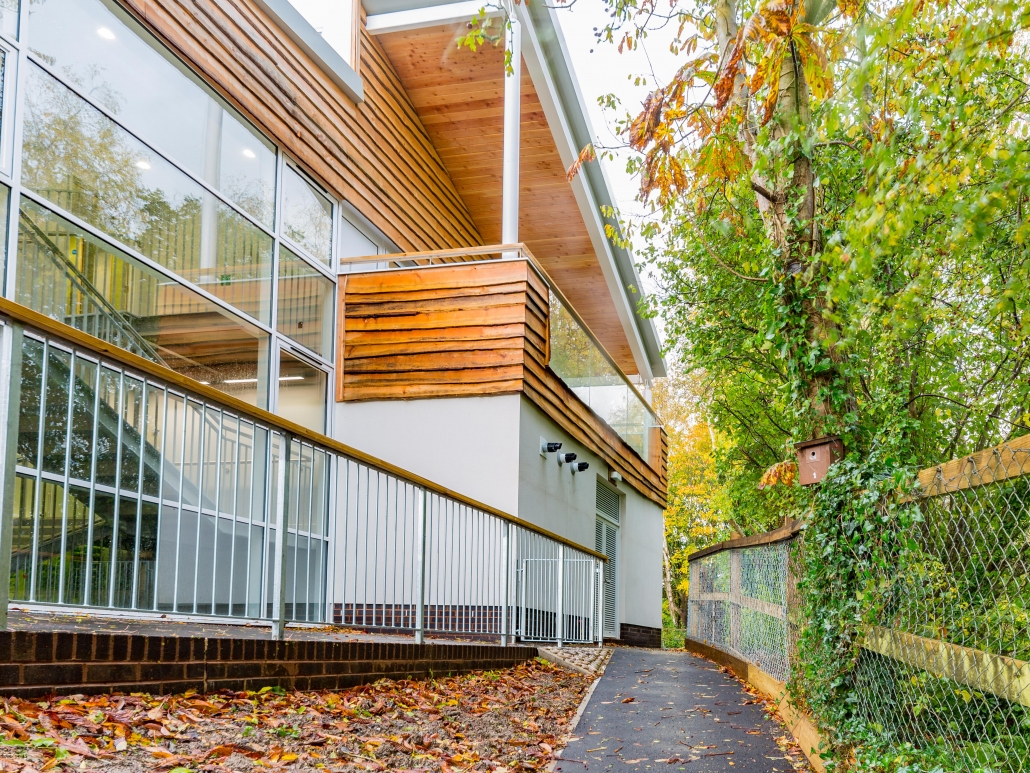
Works at Totnes St Johns CoE Primary School comprised the demolition of the existing temporary classroom and construction of a large two storey steel frame extension to the existing school. The new extension provided five new classrooms, group rooms, new toilet facilities, extension to existing hall and reshaping of the external footprint. The building was heated with underfloor heating and all classrooms had breathing systems installed, drawing fresh air in to the rooms, creating good working environments for the pupils.
The works all linked in to the existing school and required new openings and access ways formed to enable smooth passage from the existing school to the new extension.
Community Engagement
Career Development
Key Challenges
Working in a live school environment
The school remained fully operational throughout the works and with shared site access and segregation requirements required the contractors worked closely with the school throughout to minimise the impact on teaching and learning. Weekly meetings were held with the head teacher to plan works, ensuring they were planned carefully, enabling all users to maintain a high quality of safety throughout the contract.
High risk activities
Works were sequenced so that the high risk demolition and steel lifting activities were undertaken during the school holidays. We had to keep in regular contact with the school and would speak with the headteacher most days. These were highlighted as key objectives in our customer charter. All possible access points to the construction site were secured with solid hoardings / secured gates.
Detailed client co-ordination
The existing hall was extended to meet the requirements for the number of pupils currently at the school, requiring detailed client co-ordination and relocation of the school front entrance.
Project Takeaways
Our Success
Our Learnings
Value Added
KPI’s & Statistics
| Contract | Gateway 2 Planning | Gateway 3 Contract Agreement | Variation |
|---|---|---|---|
| Cost | £1,304,215 | £1,304,215 | 0% |
| Time | 45.3 weeks | 45.3 week | 0 weeks |

Client
Somerset West & Taunton Council
Avon & Somerset Police
Project Manager
Somerset West & Taunton Council
Architect
HLM Architects
Contractor
Midas Construction Ltd
Value
£6.7m
Contract Period
55 weeks
Procurement Type
Competitive tender – 2 stage
Form of Contract
JCT Design & Build 2016
Size
5,600m²
Apprentices
17
This scheme saw the transformation of this flagship town centre office building to the north of Taunton town centre, headquarters of Taunton Deane Borough Council, to bring together a range of council services under one roof. Midas completed works to this live, three-storey building in phases to allow it to remain open and in use throughout.
Midas undertook this major project on behalf of joint clients Somerset West & Taunton Council and Avon & Somerset Police, to deliver an improved customer experience in a refreshed building that provided a modern and comfortable workspace for its staff. Bringing Taunton Police and the Council together in one building enables the community to access more public services from one convenient location.
The complete refurbishment of Deane House has produced a more energy efficient building that offers flexible, open plan working and communal spaces in Grade A office accommodation with high spec finishes throughout. The building can be adapted for future needs and has potential to accommodate additional public or private sector partners in the future.
The project received a score of 92% in the customer satisfaction survey at practical completion.
Community Engagement
Career Development
Key Challenges
Building remained occupied by Council staff and open to the public throughout the project
Bringing the project in line with the budget
Phased project with sectional completion
Project Takeaways
Our Success
Our Learnings
Value Added
KPI’s & Statistics
| Contract | Gateway 2 Planning | Gateway 3 Contract Agreement | Variation |
| Cost | £6,782,797 | £6,752,576 | -£30,221 -(0.4%) |
| Time | 63 weeks | 63 weeks | 0 weeks (0%) |
Weston-super-Mare, North Somerset
Client
Weston College
Project Manager
Weston College
Architect
View Architects Ltd
Contractor
Midas Construction Ltd
Value
£2.9m
Contract Period
33 weeks
Procurement Type
Competitive tender – 2 stage
Form of Contract
JCT Design & Build 2016
Size
1,809m²
Apprentices
7
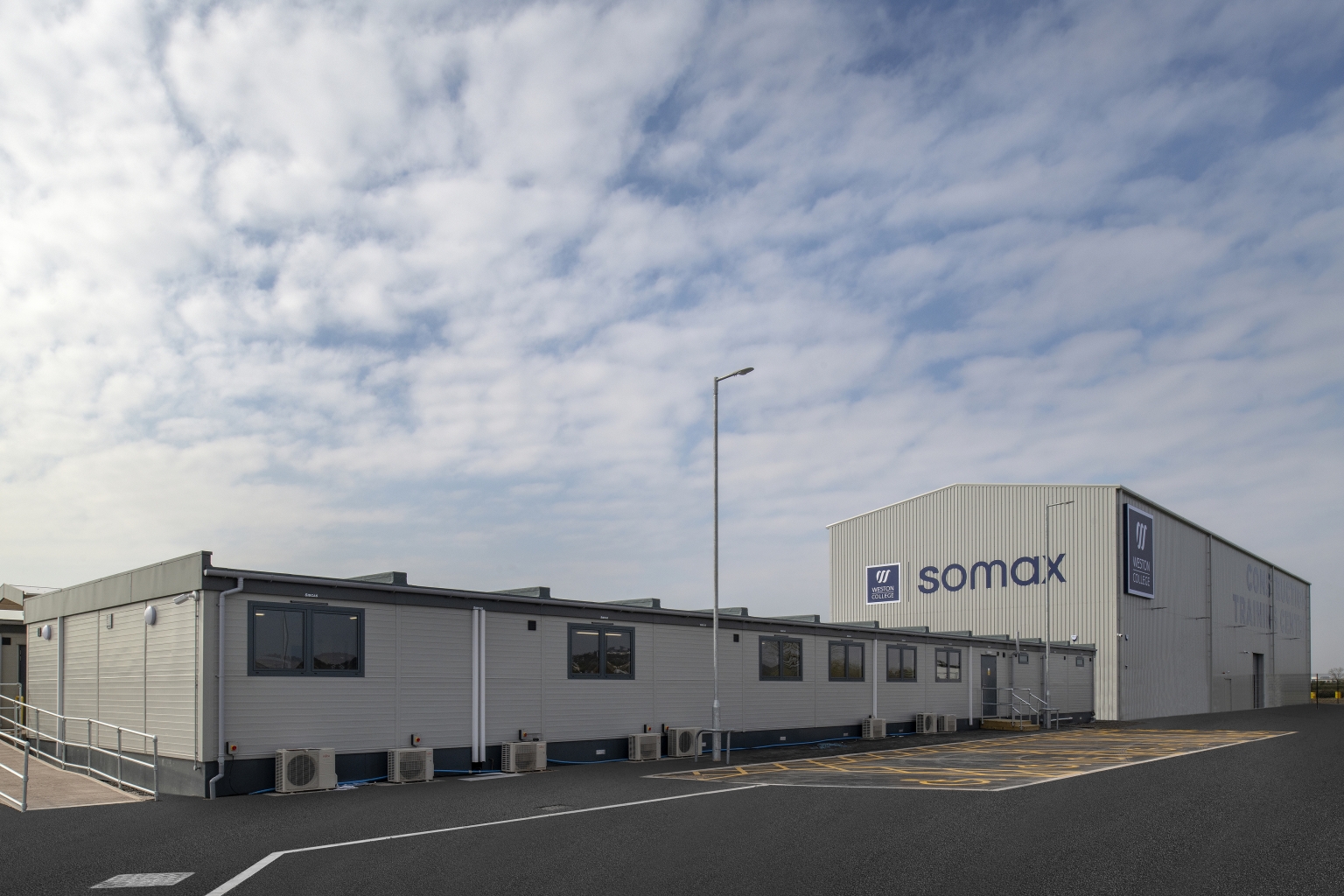
Created to address the increasing demand for a skilled construction workforce in the region, the Construction Training Centre provides state-of-the-art specialised teaching space, offering training specific to the construction industry and designed with employers’ needs in mind. Midas delivered this single-storey building in a semi-rural location to the west of Weston-super-Mare.
Made possible by match funding from Weston College and the West of England Local Enterprise Partnership (LEP) through the Local Growth Fund, administered by the West of England Combined Authority, the Centre is taking a lead role in answering the construction skills shortage. The main teaching centre is a block of modular buildings, constructed off site, connected with a central corridor covered by a canopy. Adjacent to the modular block are three connected steel frame cladded sheds. The project includes several areas of storage and work yard together with a dig training area.
Enabling works included demolition and removal of old farm buildings, part piled foundations and excavations for ground beams, slabs and drainage, infill and diversion of two sections of a watercourse and formation of attenuation ponds with a new water route.
The client scored the project 91% in the customer satisfaction survey at practical completion.

Community Engagement
Career Development
Key Challenges
Weston College leased the land on a five-year basis
The client required the project delivered to BREEAM Good
A challenging site with a high water table and numerous watercourses, in an environmentally sensitive environmental area
The design team simultaneously worked on two projects for the client: the Construction Training Centre and the Health and Active Living Centre, and brought both in line with the client’s budget
Project Takeaways
Our Success
Our Learnings
Value Added
KPI’s & Statistics
| Contract | Gateway 2 Planning | Gateway 3 Contract Agreement | Variation |
| Cost | £2,918,791 | £2,631,357 | -£287,434 (-9.8%) |
| Time | 26.1 weeks | 25.9 weeks | -0.29 weeks (-1.1%) |

Client
UK Atomic Energy Authority (UKAEA)
Project Manager
Ridge & Partners LLP
Architect
Ridge & Partners LLP
Contractor
Midas Construction Ltd
Value
£8.8m
Contract Period
54 weeks
Procurement Type
Competitive tender – 2 stage
Form of Contract
NEC3 Option A
Size
4,074m²
Apprentices
7
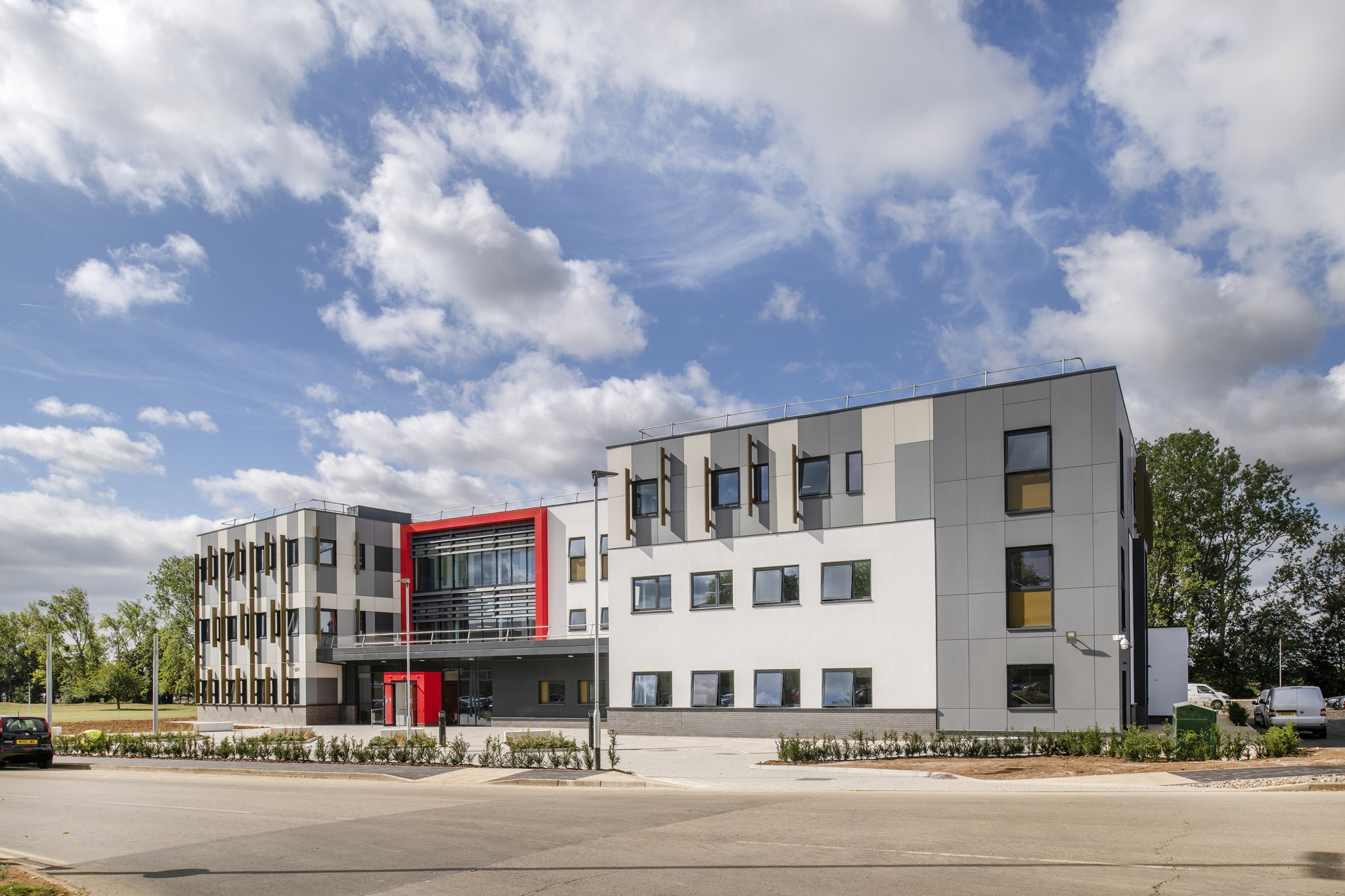
Delivered at the secure Culham Science Centre, a dedicated innovation and enterprise park in Oxfordshire, the Advanced Skills Centre is a flagship training facility. Owned and managed by the UK Atomic Energy Authority, Culham Science Centre is a world-class research site that hosts 40 businesses employing approximately 2,000 people in fields including aerospace, technology, autonomous vehicles and biotechnology.
Constructed in proximity to live business and educational facilities, the project included design and build of the Centre, together with sports and social facilities and associated external works. Works included site preparation and groundworks, followed by construction of two steel frame buildings – the Centre and a sports pavilion – with a cladding and render envelope and a single ply roof to the Centre. Midas completed full Cat A and Cat B fit out, including M&E, plumbing and service connections. Externally, the team completed car parking and hard and soft landscaping.
The purpose-built Centre has the capacity to train up to 350 apprentices per year, offering specialised training for apprentice engineers and technicians. Designed with these industries in mind and following consultation with local businesses, the three-storey centre provides labs and workshops to support training in specialised research areas including mechanical and electrical, robotics, cryogenics, fluids and vacuums.
Key Challenges
The client required the project delivered to BREEAM Very Good
Achieving the client’s budget
Managing works at a secure, sensitive site
Project Takeaways
KPI’s & Statistics
| Contract | Gateway 2 Planning | Gateway 3 Contract Agreement | Variation |
| Cost | £8,881,816 | £8,810,919 | -£70,896 (-0.8%) |
| Time | 48.1 weeks | 47 weeks | -1.14 weeks (-2.4%) |
KPI Graphs Apprentices 7
Average AIR 2.1
Average CCS score 37.5
Waste diverted from landfill 94.5%
Cost/m2 £2,170m²
Cost/m2 excl abnormals £1,542m²
Client
Weston College
Project Manager
Weston College
Architect
View Architects Ltd
Contractor
Midas Construction Ltd
Value
£6.7m
Contract Period
48 weeks
Procurement Type
Competitive tender – 2 stage
Form of Contract
JCT Design & Build 2016
Size
2,841m²
Apprentices
7
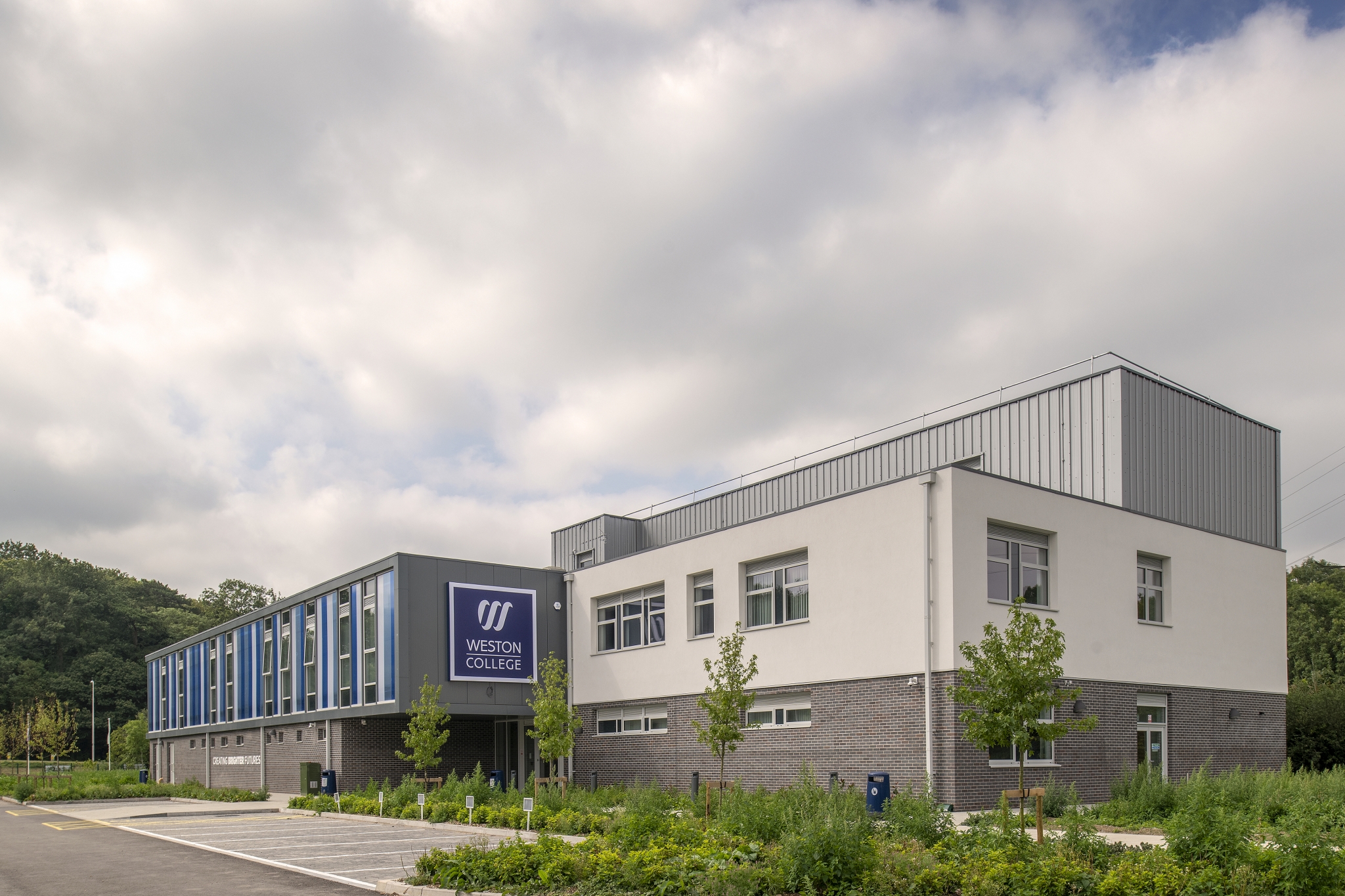
Delivered for our valued clients Weston College, the Health and Active Living Skills (HAL) Centre is the region’s first state-of-the-art learning environment for sport, health and social care. The Centre provides modern facilities for students and the public, aiming to increase the community’s health and well-being.
Constructed at the college’s Loxton campus, to the south of Weston-super-Mare, this three-storey building houses a sports hall and associated changing facilities, classrooms and sport science labs. Outside are an all-weather 3G sports pitch and a natural football pitch.
The HAL Centre features a range of facilities to benefit the college and community. The multi-use sports hall includes provision for badminton, basketball, netball and five-a-side football, plus retractable basketball hoops; and the Centre includes community use space, a reception and public café.
The Centre provides an innovative learning environment with science labs, a health therapy suite with separate clinic and therapy room, and a six-bed simulation ward including high-tech patient mannequins.
The project received a customer satisfaction score of 92% in the survey at practical completion.
Key Challenges
The client required the project delivered to BREEAM Excellent
Weston College’s Loxton campus, where the project took place, remained open throughout the project.
The design team simultaneously worked on two projects for the client: the Health and Active Living Centre and the Construction Training Centre, and brought both in line with the client’s budget.
Project Takeaways
KPI’s & Statistics
| Contract | Gateway 2 Planning | Gateway 3 Contract Agreement | Variation |
| Cost | £6,918,904 | £6,780,718 | -£138,186 (-2%) |
| Time | 46.4 weeks | 46.4 weeks | 0 weeks (0%) |
KPI Graphs Apprentices 7
Average AIR 0
Average CCS score 40
Waste diverted from landfill 100%
Cost/m2 £2,352m²
Cost/m2 excl abnormals £1,799m²


 Midas
Midas Midas Group Ltd
 Midas Group Ltd
 Midas Group Ltd