Sussex

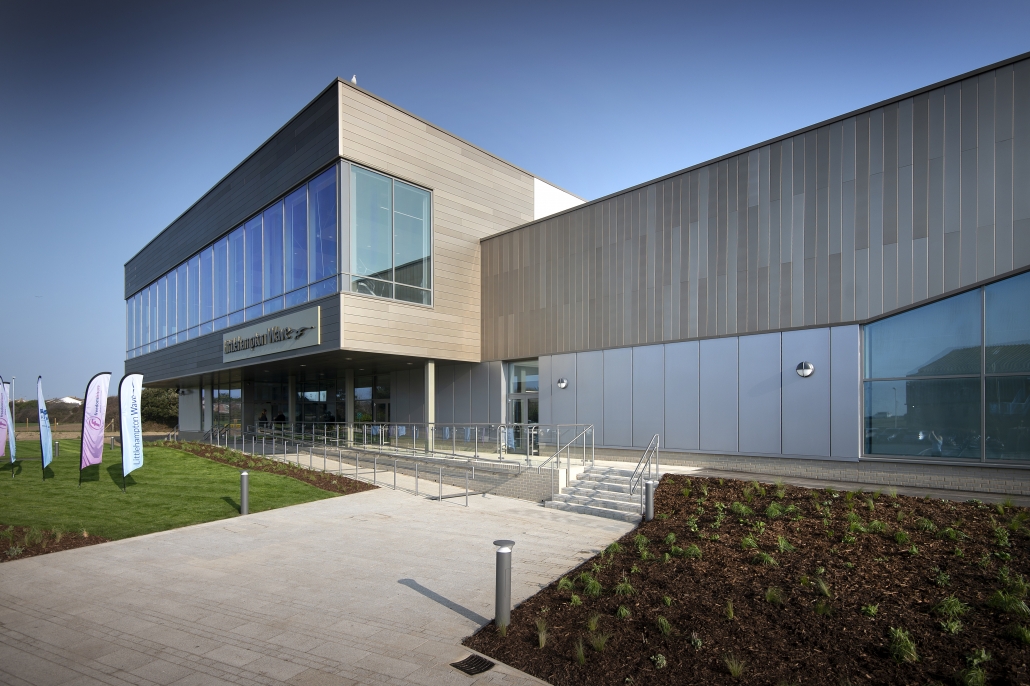
The replacement leisure centre was built on the same site as the existing leisure centre, which meant one of the biggest challenges was ensuring that there was minimal disruption to the leisure centres operations.
To minimise disruption to leisure centre members, the construction was phased, and the new Leisure centre was constructed before the existing building was demolished.
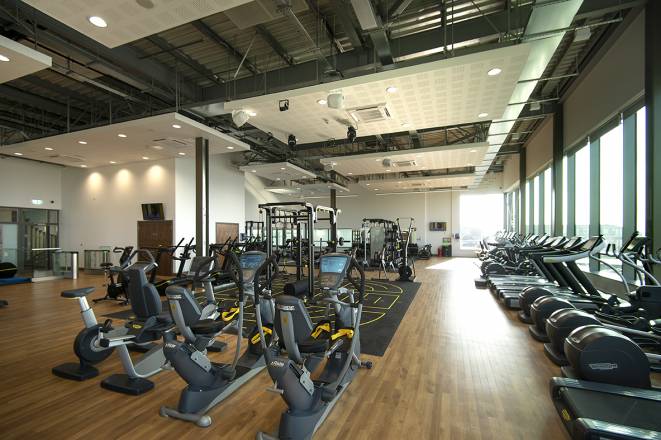
The new leisure centre comprises wet & dry facilities including 8 lane 25m swimming pool, 4 court sports hall, 80-85 station gym, studio capacity of 50 with flexibility and a learner swimming pool.
Littlehampton was opened on time and to budget with a high standard of finish, exceeding expectations of customers and Freedom Leisure who are responsible for managing the leisure centre in partnership with Arun District Council.
The project was shortlisted for two LABC Regional Building Excellence Awards 2020
1) Best Public Service or Educational Building and
2) Best Large Commercial Project in the LABC Regional Building Excellence
Once opened to the public, membership applications increased c200% outperforming forecasted targets.

99% of regular payment periods did not exceed 30 days

97% of waste was diverted from landfill

Zero harm

Local work placements, trainee and graduate placements and apprenticeships, along with creating new jobs in the local area.

Handover & Aftercare Contractor Promise

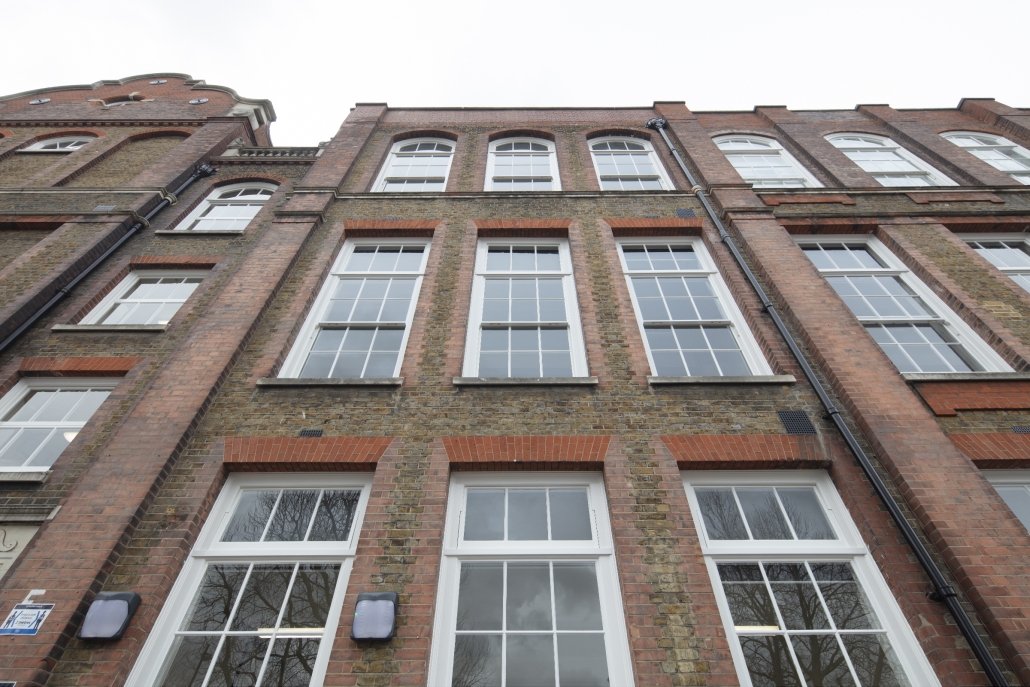
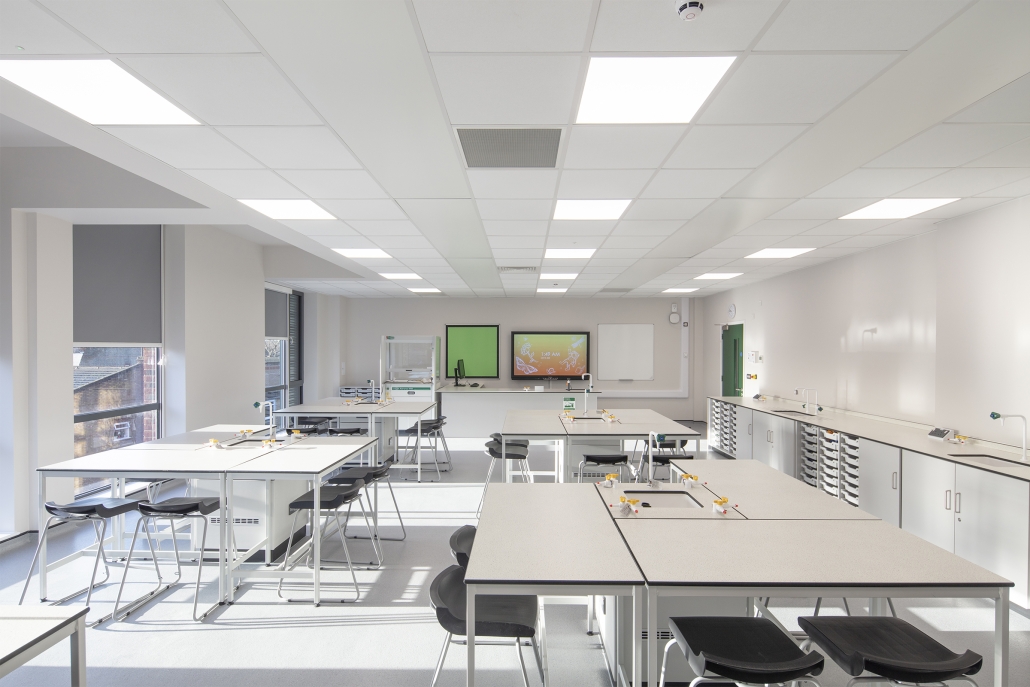
The scope included major renovation of a live secondary school, enhancing teaching provision for its transition to a STEM specialist Academy. The works were scheduled over three phases.
Phase 1: The transformation of Block L (the existing drama building) for use as the site team’s welfare and site offices; internal reconfiguration of the second floor of the Childerly Building providing an additional classroom; provision of 3 working labs and 2 standard classrooms.
Phase 2: Demolition and subsequent construction of a two-storey, steel framed science block providing six new teaching labs. The building includes a green roof, PV panels and attenuation tank.
Phase 3: The extensive refurbishment of the Grade II listed Kingwood Building including asbestos removal, MEPH systems, window replacement, decoration and carpentry works.
It was recommended to the client that Block L (which was due to be demolished) be utilised as the site office and canteen space. This not only saved the project money in site setup costs and omission of the Block L demolition works from the scope of works, but furthermore, the making good of the building provided the school with a new space for music classes.
With three separate handovers, it was imperative that a good relationship was maintained with the school staff. Consideration and understanding were incorporated into the safe planning of works and scheduling of deliveries to allow the live school to continue to operate. The use of temporary modular classrooms accommodated students away from the works thereby ensuring minimal disruption to the overall learning environment.
Three successful handovers to a delighted client, helping to realise the school’s transition into a specialist STEM Academy. The first phase was completed on time, the second phase was handed over two weeks earlier than expected, and the third phase of works was also completed on time.
–
100% payment within 30 days terms
91% waste diverted from landfill
100% timber responsibly sourced
BREEAM Very Good
Zero RIDDORs
CCS Score 43/45 nominated for 2020 Award
14 apprenticeships, 6 of which were new jobs created
7 work experience placements
272 Trainee weeks
Schools engagement: 361 pupils
Soft landings for handover
Dedicated Morgan Sindall point of contact
On-line portal for notifying any defects with 3 priority categories for response times
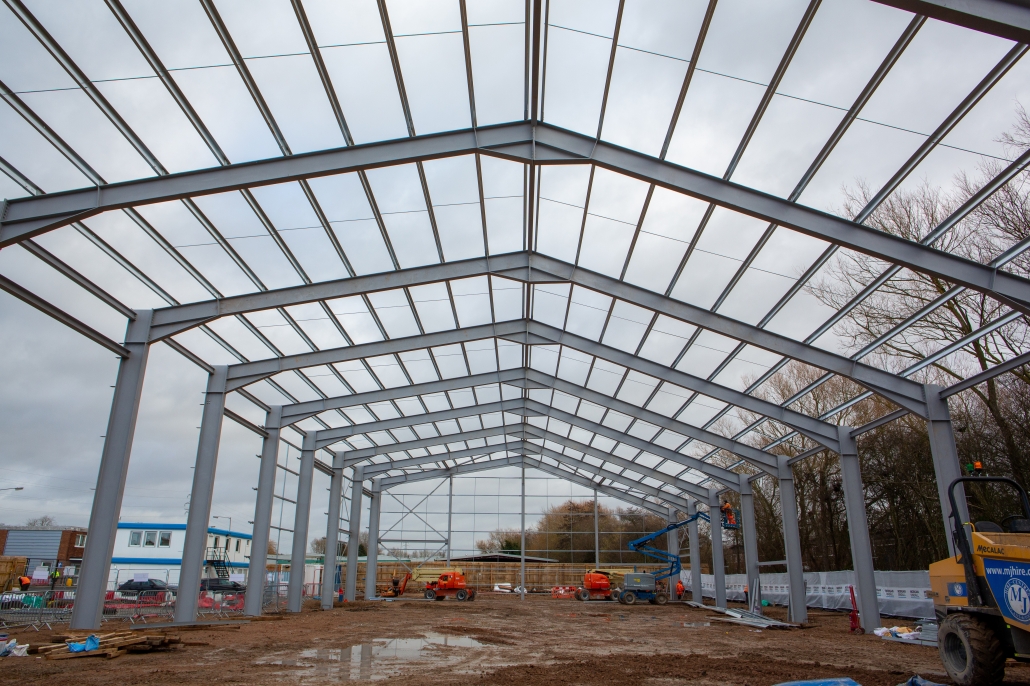
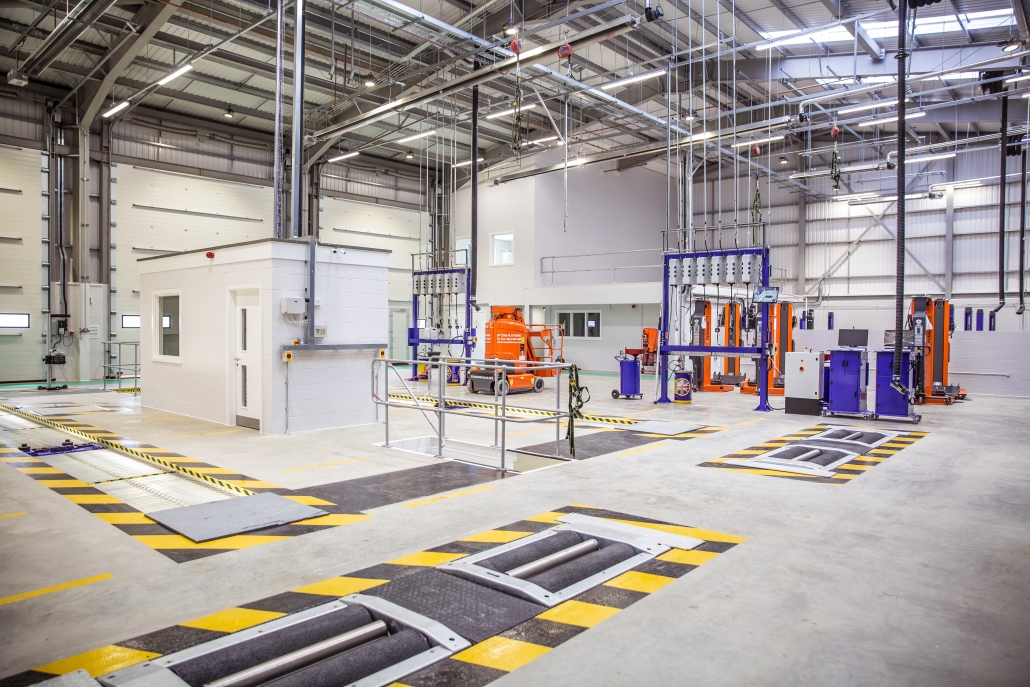
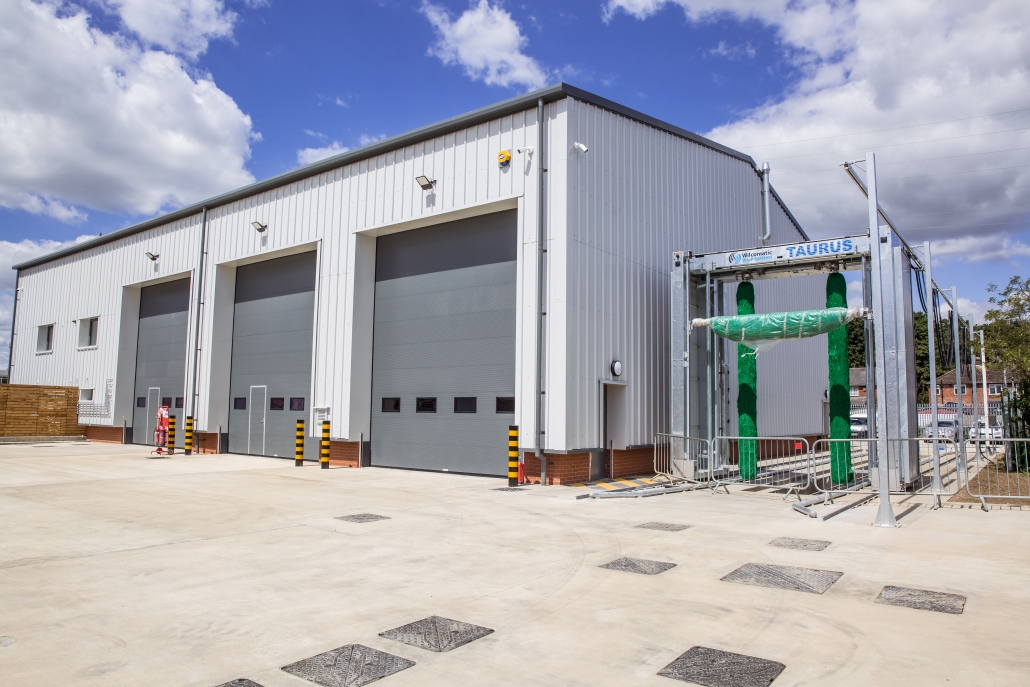
Buckinghamshire Council’s existing waste and recycling services depot on Pembroke Road, Aylesbury has been expanded to cater for the local population growth. The local Council identified the need to plan for and accommodate growth within the Aylesbury Vale district over the next 10 years and relieve associated pressures on the existing waste and recycling services.
This has culminated in the Morgan Sindall team working closely with the Council to reconfigure the layout of the existing depot to optimise the site and to mitigate environmental impacts, the project was procured through the Southern Construction Framework.
Challenges of the redevelopment centred on the need to maintain the operation of the existing facility which entailed the works being undertaken over several phases and the fact that the site is bounded to the north and the south by two small rivers which have a history of flooding.
Towards completion of the project the Bear Brook river had already broke its north bank causing flooding across the site where defence measures were tested and successfully combined to prevent any flooding inside the new buildings.
The contract works were divided into an initial demolition enabling works package followed by two sectional completions to accommodate the different phasing of the site works. The first being the construction of a new 699 sqm commercial vehicle MOT workshop with vehicle repair and service facilities for both local taxi drivers and the depot’s own Rigid Vehicles fleet which will bring about additional revenue for the depot. The second phase provided a new 1825 sqm Waste Transfer and Recycling Station with a modern fire suppression canon system serviced by a 125,000-litre tank. The new buildings were supplemented with the upgrade of external slabs and wayfinding pedestrian routes with allocated fleet vehicle and staff parking areas. Specialist equipment provision included a new weighbridge, 2no industrial carwashes and a 45,000litre refuelling zone.
As part of the flood defences, we also provided a bespoke metal flood barrier system designed to be installed across each door and roller shutter opening.
The successful completion of the project culminated in the merging of the new and upgraded existing areas to provide a state-of-the-art depot ready to support the growing population needs of the Aylesbury Vale district.
100% payment within 30 days terms
99% waste diverted from landfill
100% timber responsibly sourced
Zero RIDDORs
CCS Score 41/45
15 No of SMEs – 18 beneficiaries – 6 jobs created
154 apprentice trainee weeks, 16 Work Experience students, 130 students engaged
£300 donations to charity & £8,650 community investment project
£2.38 LM3 – 103% social value created
Soft landings for handover
Dedicated Morgan Sindall point of contact
On-line portal for notifying any defects with 3 priority categories for response times
Any site specific process/initiatives
The expansion of Amersham School was carried out within a live school campus, over three phases of works, and comprised: a new 27-space car park and landscaping works; the construction of a double-storey extension featuring a new dining hall, reception area, and eight classrooms forming a new maths block (Block N); extension of an existing science block to provide additional teaching space (Block E).
Although not an employer requirement for the scheme, our design team developed the design in BIM to provide a high degree of design co-ordination throughout the Stage 4 design development.
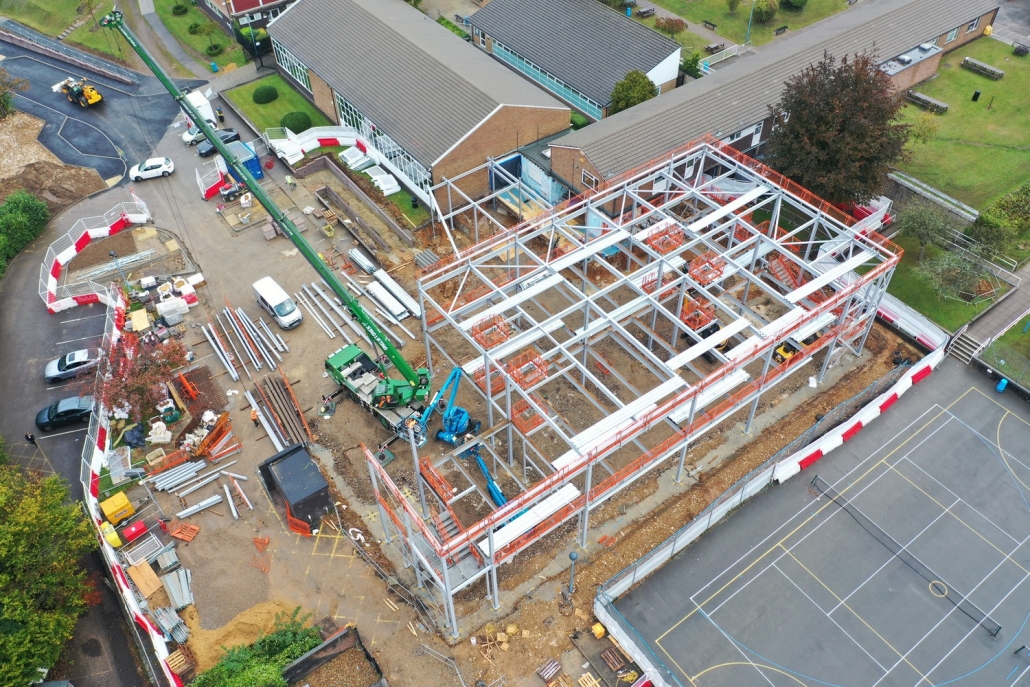
Overcoming of a number of challenges was crucial to the successful outcome of the scheme. This included undertaking the works within a live school, restricted space to manoeuvre when completing areas of detail, working towards completing facilities to achieve critical phased handover dates whilst, additionally, the COVID-19 pandemic had swept its way through sites across the country.
Another was the discovery of unexpected urgent remedial works required to areas of masonry support on the existing building, which hindered and delayed progression of works. As it was unsafe to work underneath the concrete beams that supported the concrete blocks, the remediation works consumed many weeks of programming.
Overcoming the various challenges on site required careful and considered planning, excellent communication, understanding and innovative methods of working.
Communication from all parties associated with the project was critical, particularly throughout term times, to ensure safety measures were in place to protect students, staff and members of the public.
Masonry remedial works were carefully considered, being struck down and re-built with engineering bricks and a concrete lintel to hold the structure of the loads, which provided its structural integrity.
Re-sequencing of work packages played an important factor to maintain progression to the job and was demonstrated by prioritising Block E works located in an existing block, which would continue to operate during school term whilst the refurbishment works continued. This strategy proved beneficial as, after Block E was handed over to the school, we were then able to prioritise works to the main Block N new build.
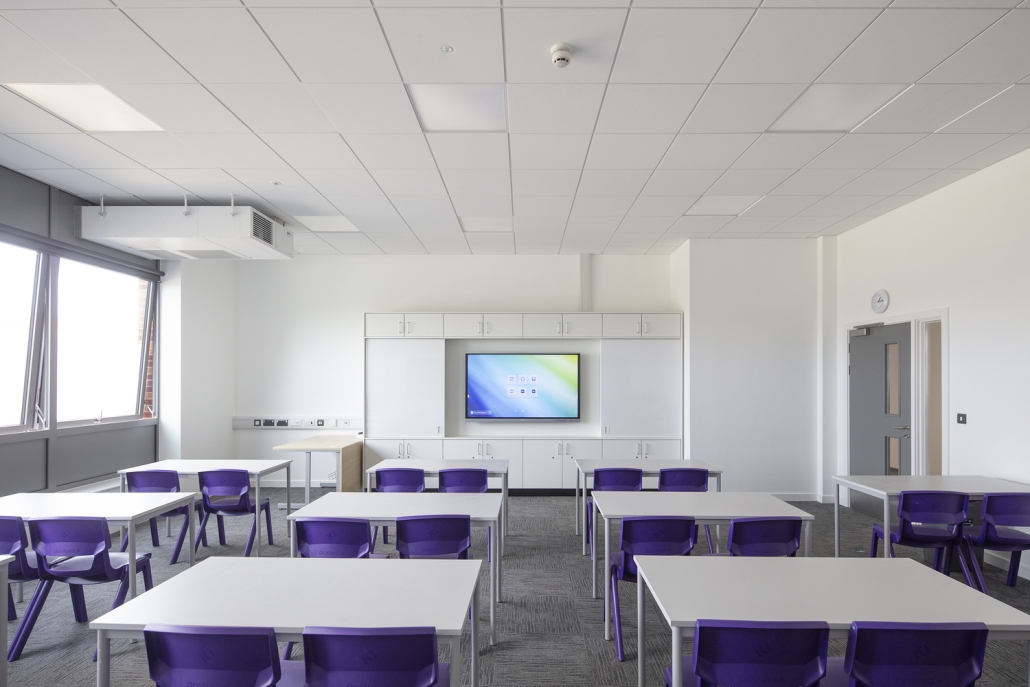
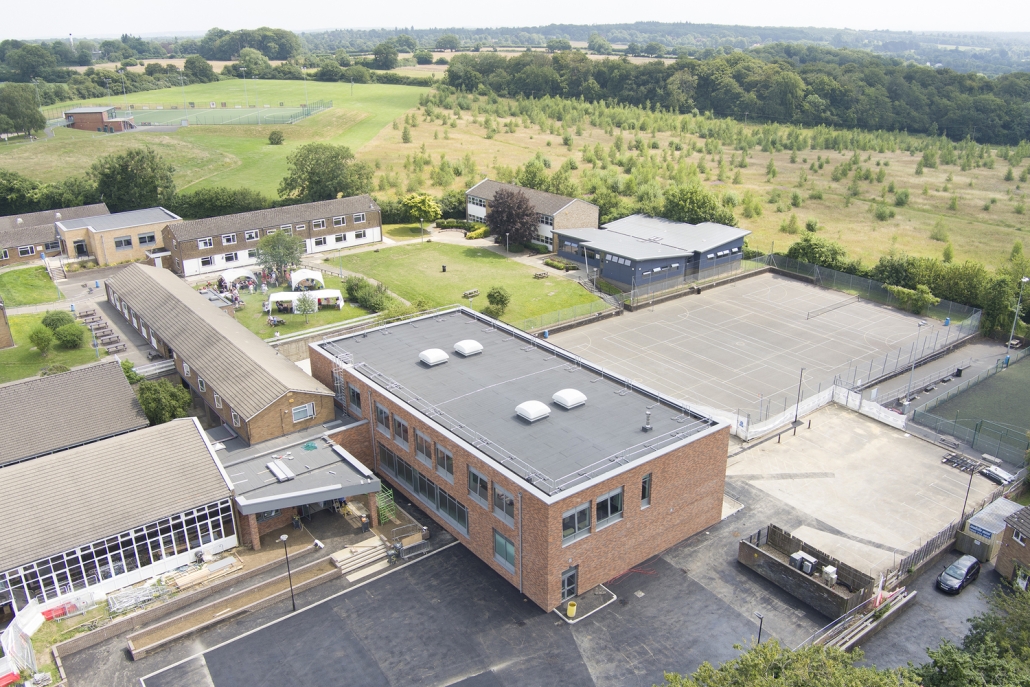
Successfully carried out within the live school environment, this much needed scheme saw the introduction of new and improved facilities, providing students and teachers with a first-class learning environment to serve future generations of learners.
At the Buckinghamshire College Group’s Student Awards Ceremony in June 2022, Morgan Sindall was awarded ‘Employer of the Year’. The nomination by Industry Placement Officer, Nicola Hieatt, was as follows: ‘’Our partnership with this employer began late last year. During this academic year they have provided Buckinghamshire College Group construction students with over 500 work experience hours, careers sessions, help with CV writing, week-long virtual work experience projects, industry insight days not only for students but staff as well.
Their staff are always courteous and welcoming to students and regularly take time out of their working days to carry out safe site tours and offer advice. The construction students have been extremely lucky to have been given the opportunity to work alongside these professionals. On a more personal note, our contact Norma Odain-Hines [Morgan Sindall Community Investment Manager, London & Home Counties] repeatedly goes out of her way to include the students in the site development in every possible way. We will certainly miss her dedication once the Buckinghamshire project is complete.
14 SMEs, 28 beneficiaries
6 jobs created, 172 trainee weeks and 277 students engaged
£11,750 donations to charity, 227 volunteer hours
78% social value created
100% payment within 30 days terms
100% waste diverted from landfill
100% timber responsibly sourced
Zero RIDDORs
CCS Score 43/45
Handover & Aftercare Contractor Promise

The Harrison Building is located in the centre of the Streatham Campus, surrounded by several other University buildings, key facilities, roads and footpaths. The works to the operational building included the replacement of the roof, northlights and complex building services, whereby a scaffold birdcage and temporary roof were erected over the building to facilitate the removal of asbestos also involving a significant amount of temporary works.
Several interior refurbishment sub-projects were delivered concurrently including the new state-of-the-art ‘Curriculum 2020’ suite, comprising lab space, workshops, offices and open-plan workspaces.
A carefully planned logistics strategy was developed for each stage of the project, the planning of which began at the earliest possible stage.
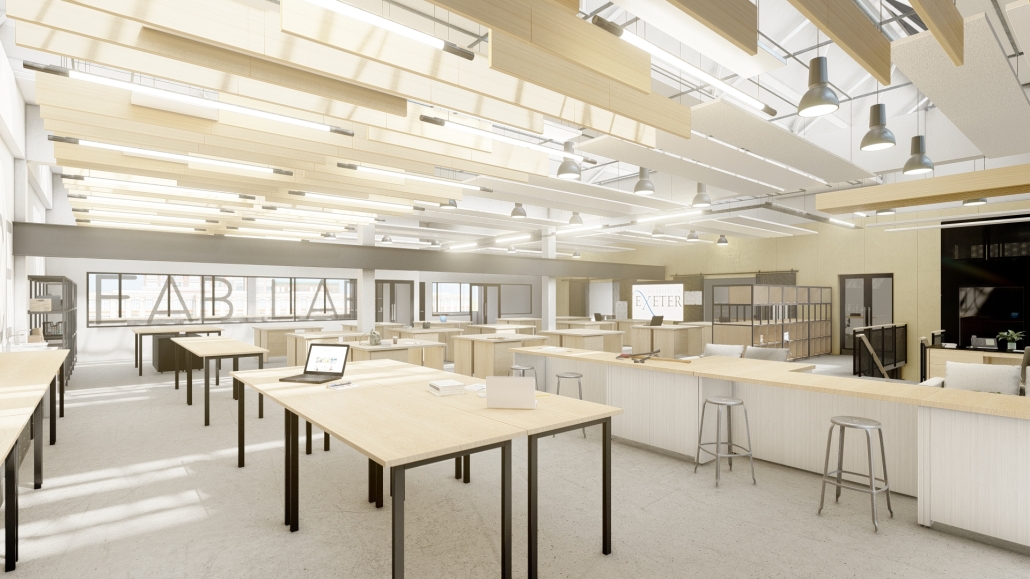
The Harrison Building’s technical challenges and site constraints, combined with the requirement for the building to remain operational throughout, placed additional importance on the safe segregation of our works, stringent management of hazards and careful mitigation throughout in order to minimise the impact of works on the student experience and day-to-day campus operations.
Neighbouring campus buildings were occupied throughout the works and continuity of “business as usual” was vital for all campus users.
Key to our successful relationship with the University was our established levels of communication, commitment, planning and understanding, coupled with the professional and considerate conduct of our site team at all times. Mitigation techniques included:
A carefully considered ‘birdcage’ scaffolding solution implemented due to standard temporary works scaffolding not being viable due to the constraints of the building;
Working concurrently, the team re-engineered the programme across two phases so that the building could remain operational, allowing the university time to safely decant between areas once handed over;
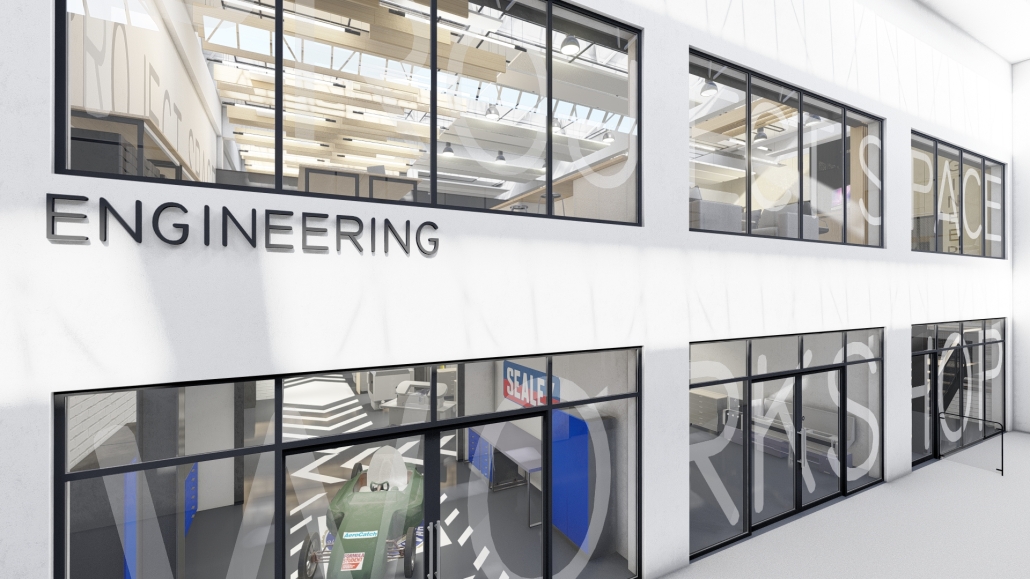
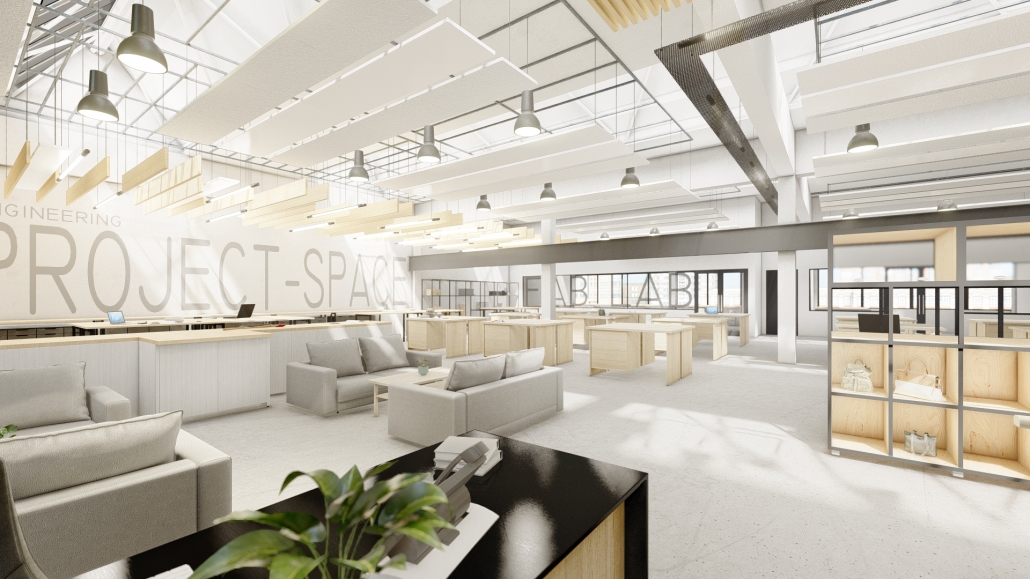
In understanding and upholding the University’s commitment, core values, approach to sustainability and the Environmental Climate Emergency, we are proud to have now delivered 7 carbon reduction projects for the University within the past 5 years, including this project, through:
All of Morgan Sindall’s sites remained open throughout the initial Covid “lockdown” period including the Harrison Building. A visiting HSE inspector described our infection control measures as “above compliance”.
100% payment within 30 days terms
Zero RIDDORs
CCS Score 43/45
96% waste diverted from landfill
100% timber responsibly sourced
159 tonnes carbon saving
12 SMEs
We have remained committed to provide a local workforce with the capability and capacity to deliver our clients’ requirements, whilst generating a positive impact on the communities and environments in which we work. At Harrison Building, an impressive 60% of our project spend was within the projects ‘catchment area’ (within 15 miles of site) and 75% within 30 miles.
34 beneficiaries, 6 jobs created & 320 trainee weeks
£1,730 donations & 71 volunteer hours
82% social value created
We employed two construction management apprentices and supported our supply chain to recruit, train and retain local apprentice including MEP, where a further 2 apprentices were employed.
In recognising an opportunity to promote the varied and exciting careers available to the University’s College of Engineering, Mathematics and Physical Science (CEMPS) students, we helped in the organising of site visits and a ‘careers fair’, where students met members of our project team with engineering backgrounds and were also able to apply for work experience opportunities.
Throughout the project we have worked closely with local schools, Job Centre and Build Force, giving opportunities to those interested in careers within construction to gain practical, work-based experience in a range of areas, providing a total 14 week-long work experience placements.
Soft landings for handover
Dedicated Morgan Sindall point of contact
On-line portal for notifying any defects with 3 priority categories for response times
On completion of the first phase, we dedicated a 3-week ‘post-contract’ period within our programme, giving our project management and MEP contractor the opportunity to provide any necessary training for building users, resolve concerns, and undertake ‘fine-tuning’ as required.
Tunbridge Wells Learning and Cultural Hub
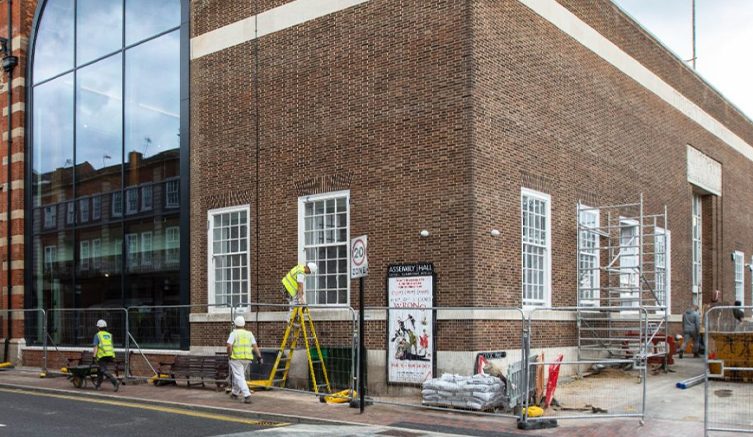
Regenerating a grade II listed building as Tunbridge Wells’ cultural and learning hub. The refurbishments caused complications due to the variety of the materials and construction methods used.
The works carried out were during the Covid-19 pandemic and included the demolition and removal of existing adult education outbuildings and the partial demolition of the existing library.
The budget and cost plan alignment was also a constant challenge, and the town centre location demanded considered planning of materials and plant.
Multi-stakeholder engagement demanded communication clarity. The Willmott Dixon team introduced a stakeholder engagement and communication plan to provide clear communications, track and reocrd key decisions needed.
Having a constant pro-active approach to reporting allowed design and specification decisions to be considered early, allowing the team to plan ahead and report against key milestone events.
The Willmott Dixon team also had to flexible in order to adapt to the ever evolving CLC working restrictions.
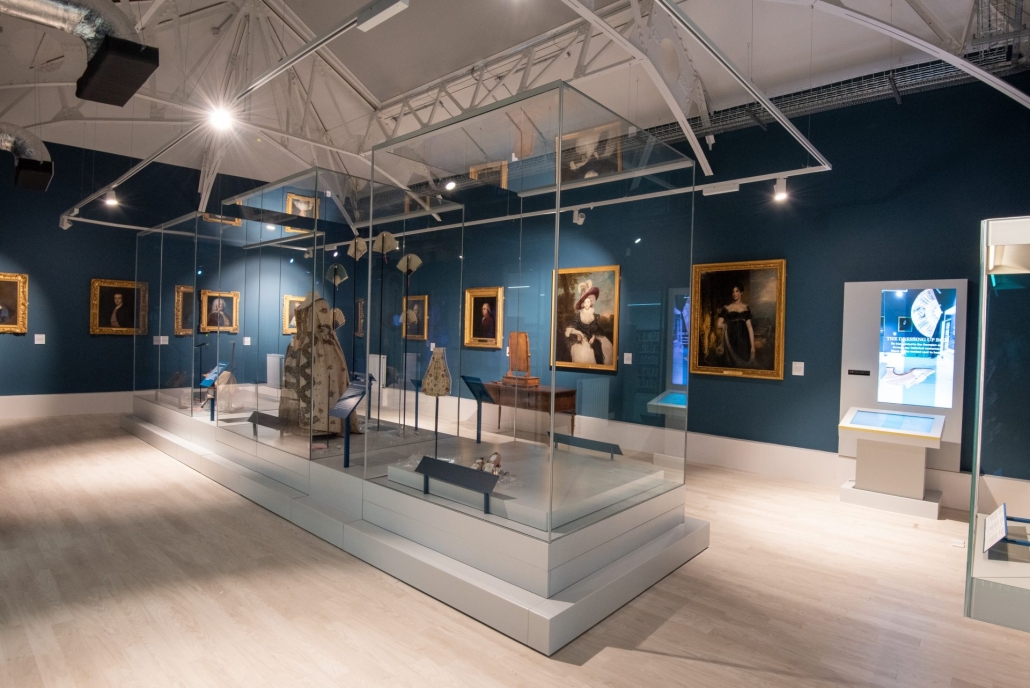
The Amelia Scott has been redeveloped as a major new cultural centre in Tunbridge Wells.
The centre is home to several attractions including a museum, art gallery, library, archives, Tunbridge Wells Borough Council’s Gateway, Kent County Council’s register office, the Tourist Information Centre and Kent Adult Education centre. It showcases rare paintings and artefacts, including a Gainsborough, as well as 10,000 books and 60,000 historical objects, twice as many that could be displayed in its forerunner.
There is also a new ground floor pottery studio, as well as textile and silversmithing facilities and a digital suite for the creation of short films, videos and other digital art.
99% of regular payments were made within the required period and did not exceed 30 days
Created learning opportunities leading to sustainable employment
Zero harm achieved
Created distinctiveness of Tunbridge Well’s local economy
Applied aftercare and soft landing principles
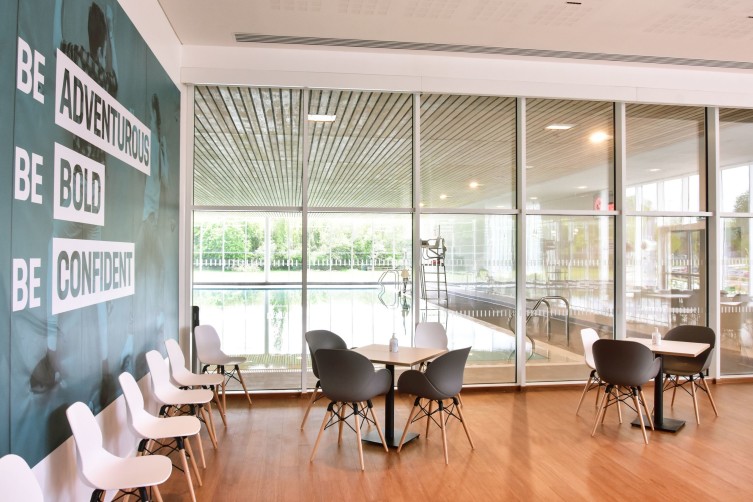
A belated appointment at RIBA Stage 4 our newly formed integrated team worked well together to successfully resolve a number of key challenges:
Design Engagement: Current design consisted of two leading architects, drawn together via a local ‘Design Framework’
Facilitated Design: Introducing a Leisure design guide the client benefited input from Willmott Dixon’s ‘yellow book – a speciation application tool’. This improved design time and provided confidence with tried and tested leisure designed solutions. A project feature was the considered ground civil engineered solution, constructing the pools as the existing ground has a high ground water and located near a tributary feeding the river Itchen.
Constructing in a Global Pandemic – the construction period spanned the unprecedented Covid-19 Global Pandemic constantly adjusting adhering to the ever evolving CLC working guideline practices.
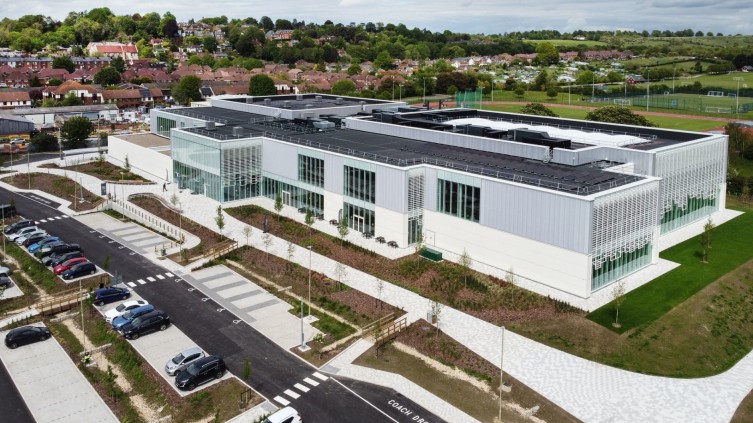
A new facility comprises a 50m eight-lane swimming pool, 20m teaching pool including a water confidence area, a multi-use sports hall and a climbing facility, 4 squash courts with a movable wall to enable flexible use, treatment rooms, fitness suite (200 workout stations), two large studios, one spin studio and a café, a hydrotherapy suite to serve people in the local and wider community with disabilities.
Officially opened in May 2022 and membership has far exceeded any forecast. The centre pulled in more than 150,000 people in the first three months and is hailed a success despite constructing and completing throughout Covid-19.
99.9% of regular payments and have payment periods not exceeding 30 days
Zero Harm – extensive training delivered with updated Covid CLC awareness training provided
SCF Legacy Hub created – Building Lives Academy delivered
£1.7m ADDED VALUE – Value gained from activities carried out with individuals, groups and communities where our construction projects are based.
Compliant with SCF Charter
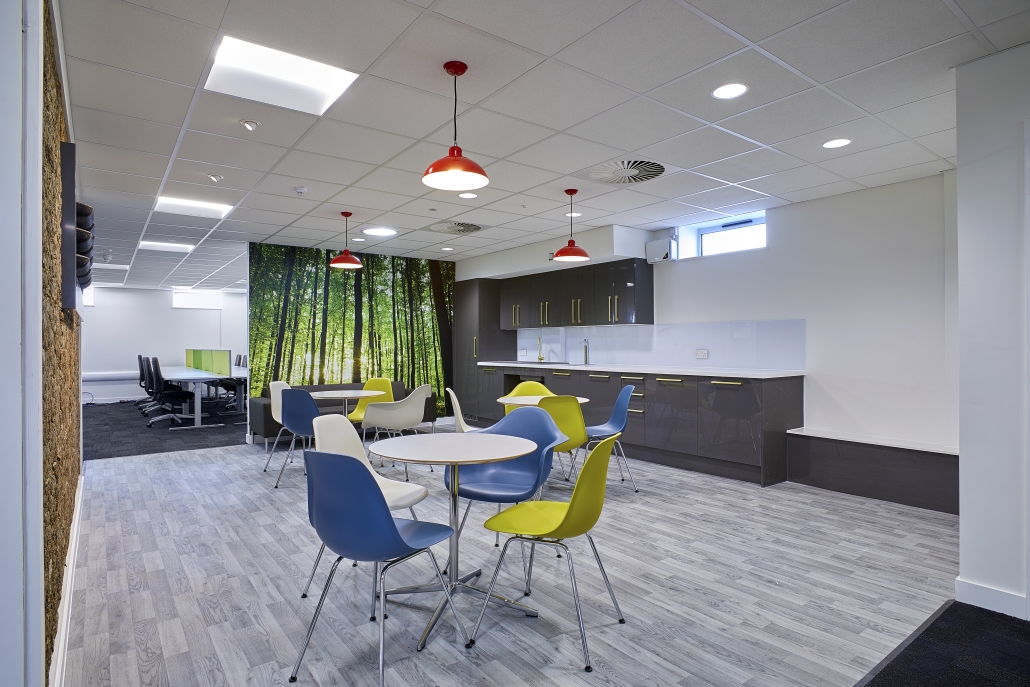
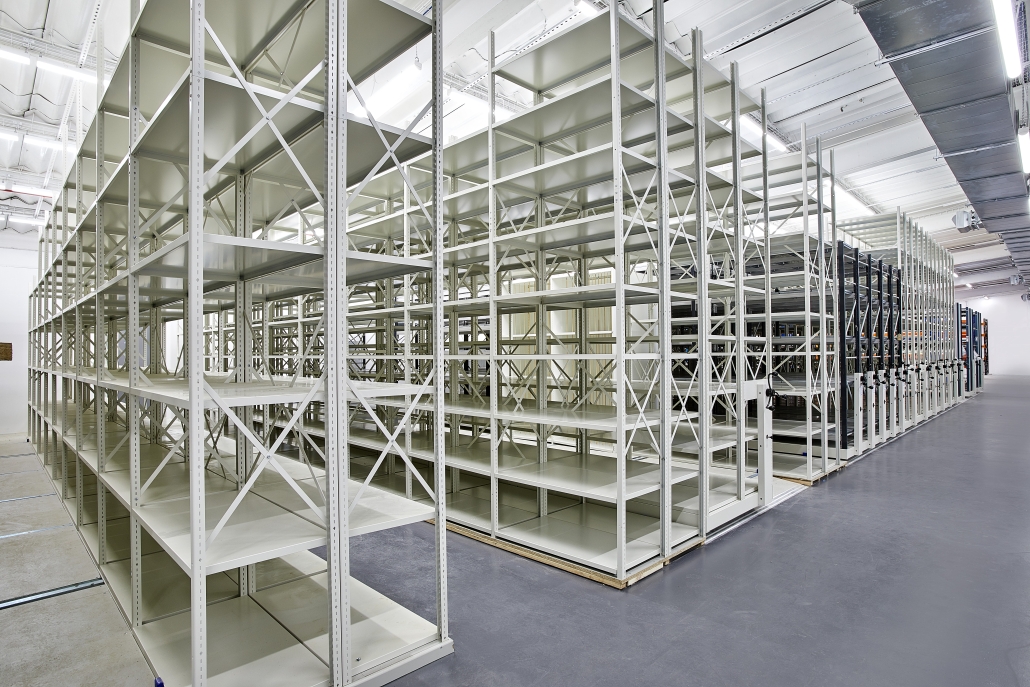
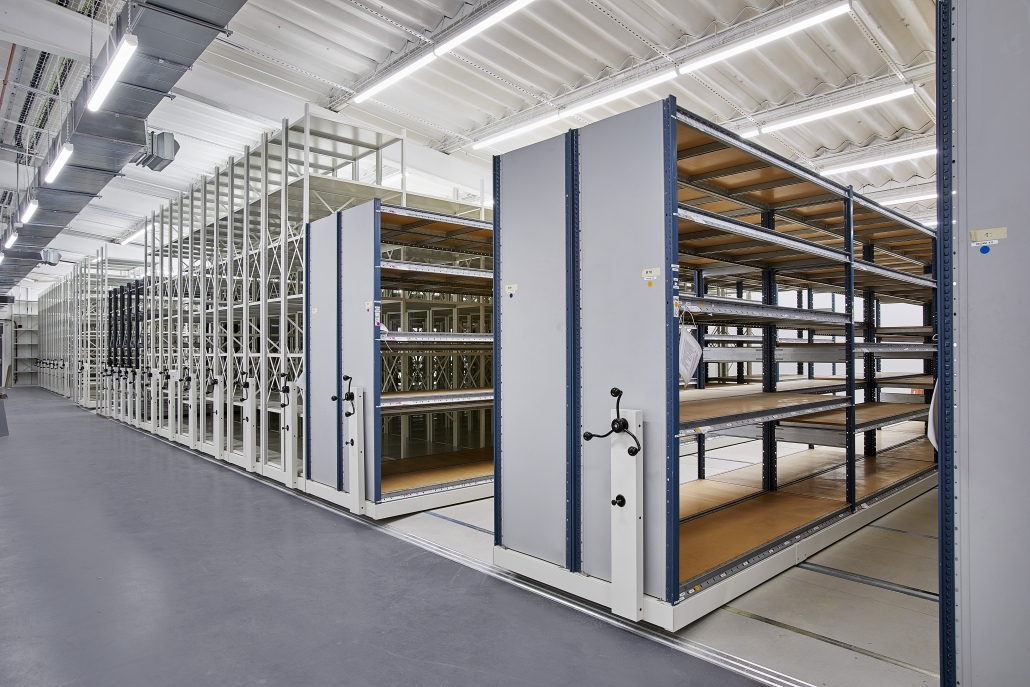
Full Cat B fitout over two floors and mezzanine area for repeat client. The newly modernised office space now houses the Council’s Parks, Highways and Housing Departments. The works also included the creation of a storage facility for the museums and modern records division.
100% payment within 30 days terms
8% waste diverted from landfill
Use of local subcontractors and materials had a positive impact on the local economy
Zero RIDDORs
20 SMEs
5 beneficiaries
2 jobs created
152 trainee weeks
£500 donations to charity
Soft landings for handover
Dedicated Morgan Sindall point of contact
On-line portal for notifying any defects with 3 priority categories for response times
Email: james.wright@hants.gov.uk
Phone: 07761 330560
Email: alan.smedley@morgandsindall.com
Phone: 07967 686066
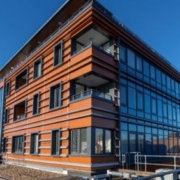

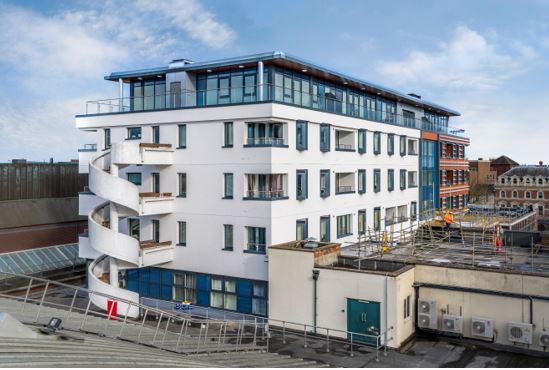
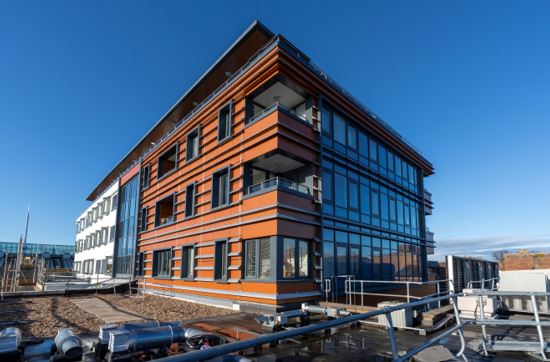
first Recladding Project Undertaken: Friars House is a office block that was converted into a Residential building in 2015, with one additional floor added. The building totals 5 storey’s (8 storey’s including the shopping centre) and is constructed over an existing shopping centre and now contains 71 residential apartments. When the Building was converted from Offices to Residential the building was over-clad with ACM and a EPS render system. Whilst occupied, this project undertook works to replace the potential combustible cladding on the external elevations with materials in line with Approved Document B December 2018 Revision, post-Grenfell.
Undertook extensive cross checking with physical inspections. Understand how the occupiers use and plot trends whilst planning operational delivery around these patterns. Plan ahead with extensive logistical solutions in place and test these prior to undertaking any works.
Adapted to ever evolving Covid CLC working practices – worked closely with the client to ensure minium disruption experienced. Customer stated: Excellent communication all through the design and construction phases
99.8% payment periods not exceeding 30 days
Undertook social legacy work-streams and compliance with the Social Legacy Policy
Zero Harm
Handover & Aftercare Contractor Promise

Project Information
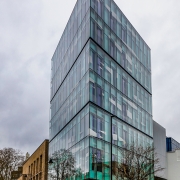
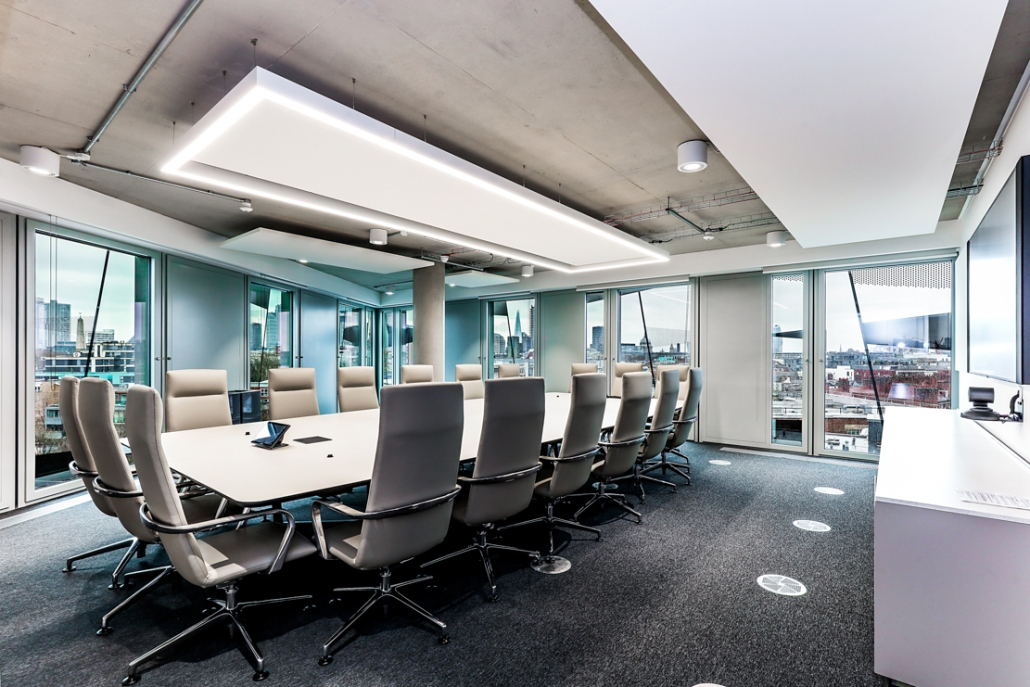
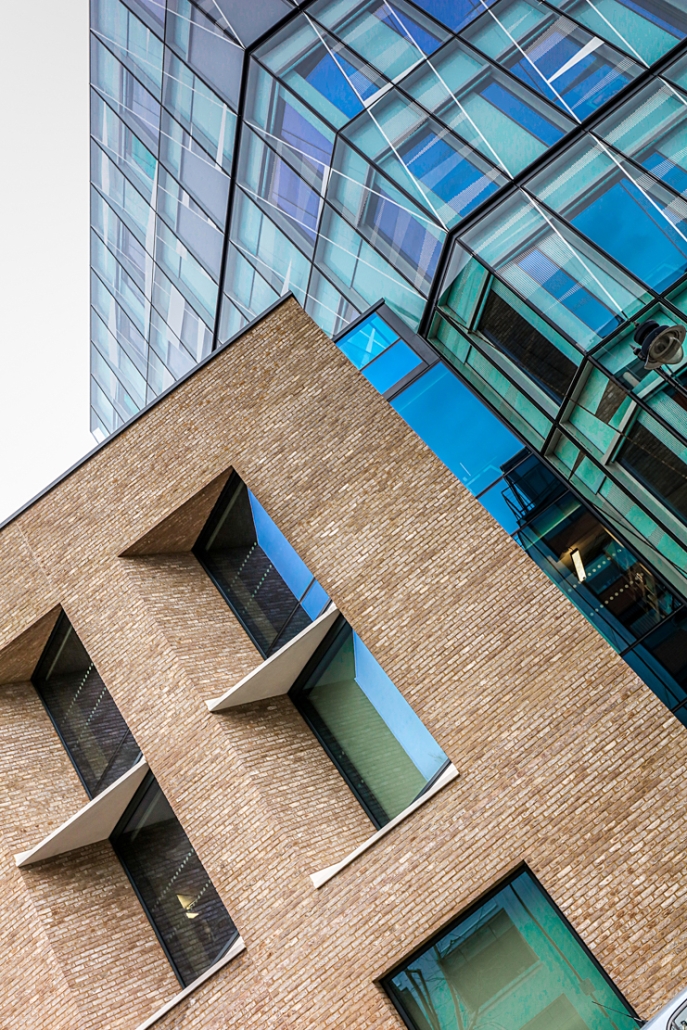
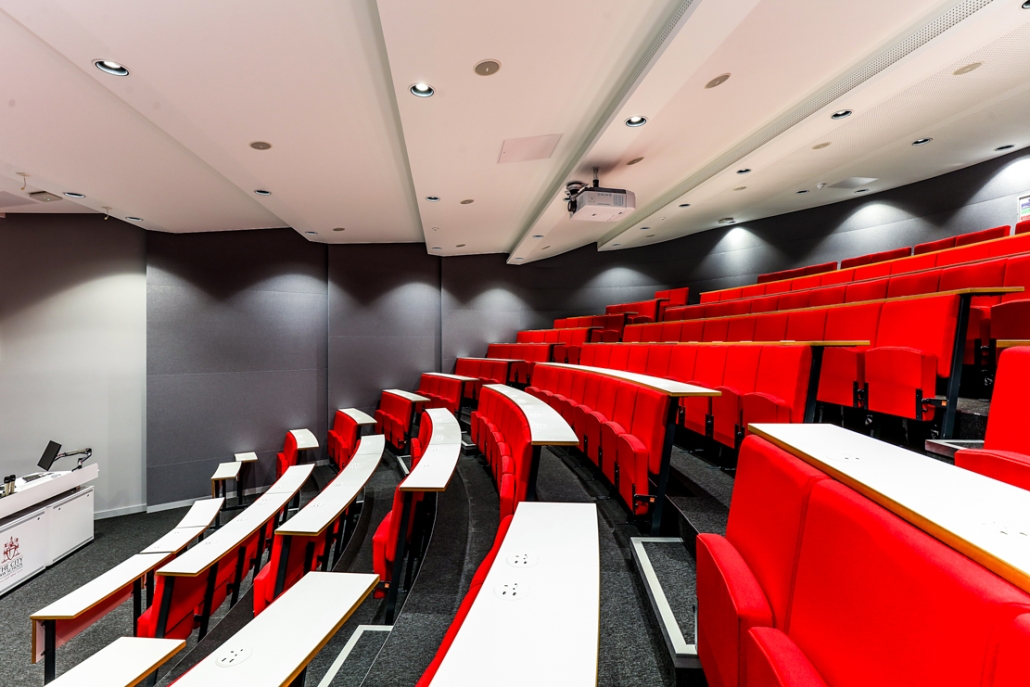
BAM has developed a landmark property for City University, which incorporates a striking combination of new and existing structures. The project was procured through SCF Construct and consists of a tower block with an innovative twin screen printed façade, new attached blocks and existing structures incorporated into a single building. Scope includes a double basement, ground and six upper floors, including the extension and refurbishment of the existing Goswell and Myddleton buildings.
An atrium connects the collection of buildings, containing a cafe and circulation space. A new external courtyard has been created between the building and adjacent residential properties. BAM extended the existing basement to provide lecture/ conference space.
Site Constraints / Logistics This was a logistically challenging project, situated on a restricted site and bounded by residential properties, including Grade II listed buildings. Sebastian Street also lies within the Northampton Square Conservation area.
Cladding design – The concept design comprised a twin walled flue design to achieve the desired architectural look. Technically this presented a challenge as it did not align with the M&E strategy, this issue required quick resolution to maintain programme.
Archaeology – archaeological dig required to ensure the preservation of the rich local history.
Site Constraints / Logistics – Bounded by residential neighbours and building within a conservation area required sensitively managing in order to maintain good relations and minimise the impacts of construction works. We achieved exactly this through regular resident forums and good communication. CCS score of 42/50.
With regards to site and design complexities, the use of digital technologies / BIM aided design coordination, spatial fit of retained structures and condition / cloud surveys.
Cladding design – To overcome the technical issues and align with the buildings M&E strategy we collaborated with specialist supply chain partners Skonto and Schuco to design an alternative cladding solution based on a twin walled unitised system.
Archaeology– Prior to construction starting, City collaborated with Museum of London Archaeology. During the excavation, artefacts dating back to the pre-Bronze Age era were found, in addition to remnants of a Civil War fort, trenches, glazed pottery and tokens from the 1640s.
The final results are outstanding, Clients expectations exceeded is testament to the teams unified approach to managing the many complex and unforeseen challenges, in particular delivering this facility in London during the height of the pandemic.
The project achieved a BREEAM Excellent rating attributable to the low carbon design and sustainable services installations all contributing to a reduction in City’s carbon emissions.
Sustainable features:
Photovoltaic system on roof areas
Centralised lighting control system throughout the law school
Primary ground source heat pump system
Energy Efficient lighting
Rainwater harvesting
98% Waste diverted from landfill –
100% timber sustainably sourced
56 Environmental Toolbox Talks
Contaminated ground was remediated
493 apprenticeship weeks
Work experience placements and volunteering
5 local apprentices from Islington
8 apprentices not local
57 hours volunteered by project team
2 work experience placements
Charities supported: CLIC Sargent and Alzheimer’s Society both charity partners and CRASH
Employment of local site management trainee: We had 6 local apprentices on site, 1 non- local management trainee.
Sponsorship of college/university students: 1 x quantity surveyor
100% payment within 30 days terms
As part of our commitment to aftercare, key BAM personnel remained on site following completion to facilitate smooth occupation for both the university staff and students. We worked with the Clients FM team to ensure they were fully familiar with the operation and maintenance requirements, providing additional training sessions where required.
Zero RIDDORs
CCS Score 42/50
Email: alex.nelhams@hants.gov.uk
Phone: 07717 003869
Email: dbirch@bam.com
Phone: 07920 134843